
Coverage Report
File JSONObject.java
Coverage histogram
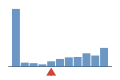
49% of files have more coverage
Classes
| Class | Line # | Actions | |||
|---|---|---|---|---|---|
| JSONObject | 101 | 622 | 368 | ||
| JSONObject.Null | 108 | 4 | 4 |
Contributing tests
This file is covered by 64 tests.
.
Source view
| 1 | package org.json; | |
| 2 | ||
| 3 | import java.io.Closeable; | |
| 4 | ||
| 5 | /* | |
| 6 | * | |
| 7 | * Note: This file has been adapted for SwingJS by Bob Hanson hansonr@stolaf.edu | |
| 8 | * | |
| 9 | Copyright (c) 2002 JSON.org | |
| 10 | ||
| 11 | Permission is hereby granted, free of charge, to any person obtaining a copy | |
| 12 | of this software and associated documentation files (the "Software"), to deal | |
| 13 | in the Software without restriction, including without limitation the rights | |
| 14 | to use, copy, modify, merge, publish, distribute, sublicense, and/or sell | |
| 15 | copies of the Software, and to permit persons to whom the Software is | |
| 16 | furnished to do so, subject to the following conditions: | |
| 17 | ||
| 18 | The above copyright notice and this permission notice shall be included in all | |
| 19 | copies or substantial portions of the Software. | |
| 20 | ||
| 21 | The Software shall be used for Good, not Evil. | |
| 22 | ||
| 23 | THE SOFTWARE IS PROVIDED "AS IS", WITHOUT WARRANTY OF ANY KIND, EXPRESS OR | |
| 24 | IMPLIED, INCLUDING BUT NOT LIMITED TO THE WARRANTIES OF MERCHANTABILITY, | |
| 25 | FITNESS FOR A PARTICULAR PURPOSE AND NONINFRINGEMENT. IN NO EVENT SHALL THE | |
| 26 | AUTHORS OR COPYRIGHT HOLDERS BE LIABLE FOR ANY CLAIM, DAMAGES OR OTHER | |
| 27 | LIABILITY, WHETHER IN AN ACTION OF CONTRACT, TORT OR OTHERWISE, ARISING FROM, | |
| 28 | OUT OF OR IN CONNECTION WITH THE SOFTWARE OR THE USE OR OTHER DEALINGS IN THE | |
| 29 | SOFTWARE. | |
| 30 | */ | |
| 31 | ||
| 32 | import java.io.IOException; | |
| 33 | import java.io.StringWriter; | |
| 34 | import java.io.Writer; | |
| 35 | import java.lang.reflect.Field; | |
| 36 | import java.lang.reflect.InvocationTargetException; | |
| 37 | import java.lang.reflect.Method; | |
| 38 | import java.lang.reflect.Modifier; | |
| 39 | import java.math.BigDecimal; | |
| 40 | import java.math.BigInteger; | |
| 41 | import java.util.Collection; | |
| 42 | import java.util.Enumeration; | |
| 43 | import java.util.HashMap; | |
| 44 | import java.util.Iterator; | |
| 45 | import java.util.Locale; | |
| 46 | import java.util.Map; | |
| 47 | import java.util.Map.Entry; | |
| 48 | import java.util.ResourceBundle; | |
| 49 | import java.util.Set; | |
| 50 | ||
| 51 | /** | |
| 52 | * A JSONObject is an unordered collection of name/value pairs. Its external | |
| 53 | * form is a string wrapped in curly braces with colons between the names and | |
| 54 | * values, and commas between the values and names. The internal form is an | |
| 55 | * object having <code>get</code> and <code>opt</code> methods for accessing the | |
| 56 | * values by name, and <code>put</code> methods for adding or replacing values | |
| 57 | * by name. The values can be any of these types: <code>Boolean</code>, | |
| 58 | * <code>JSONArray</code>, <code>JSONObject</code>, <code>Number</code>, | |
| 59 | * <code>String</code>, or the <code>JSONObject.NULL</code> object. A JSONObject | |
| 60 | * constructor can be used to convert an external form JSON text into an | |
| 61 | * internal form whose values can be retrieved with the <code>get</code> and | |
| 62 | * <code>opt</code> methods, or to convert values into a JSON text using the | |
| 63 | * <code>put</code> and <code>toString</code> methods. A <code>get</code> method | |
| 64 | * returns a value if one can be found, and throws an exception if one cannot be | |
| 65 | * found. An <code>opt</code> method returns a default value instead of throwing | |
| 66 | * an exception, and so is useful for obtaining optional values. | |
| 67 | * <p> | |
| 68 | * The generic <code>get()</code> and <code>opt()</code> methods return an | |
| 69 | * object, which you can cast or query for type. There are also typed | |
| 70 | * <code>get</code> and <code>opt</code> methods that do type checking and type | |
| 71 | * coercion for you. The opt methods differ from the get methods in that they do | |
| 72 | * not throw. Instead, they return a specified value, such as null. | |
| 73 | * <p> | |
| 74 | * The <code>put</code> methods add or replace values in an object. For example, | |
| 75 | * | |
| 76 | * <pre> | |
| 77 | * myString = new JSONObject().put("JSON", "Hello, World!").toString(); | |
| 78 | * </pre> | |
| 79 | * | |
| 80 | * produces the string <code>{"JSON": "Hello, World"}</code>. | |
| 81 | * <p> | |
| 82 | * The texts produced by the <code>toString</code> methods strictly conform to | |
| 83 | * the JSON syntax rules. The constructors are more forgiving in the texts they | |
| 84 | * will accept: | |
| 85 | * <ul> | |
| 86 | * <li>An extra <code>,</code> <small>(comma)</small> may appear just | |
| 87 | * before the closing brace.</li> | |
| 88 | * <li>Strings may be quoted with <code>'</code> <small>(single | |
| 89 | * quote)</small>.</li> | |
| 90 | * <li>Strings do not need to be quoted at all if they do not begin with a quote | |
| 91 | * or single quote, and if they do not contain leading or trailing spaces, and | |
| 92 | * if they do not contain any of these characters: | |
| 93 | * <code>{ } [ ] / \ : , #</code> and if they do not look like numbers and if | |
| 94 | * they are not the reserved words <code>true</code>, <code>false</code>, or | |
| 95 | * <code>null</code>.</li> | |
| 96 | * </ul> | |
| 97 | * | |
| 98 | * @author JSON.org | |
| 99 | * @version 2016-08-15 | |
| 100 | */ | |
| 101 | public class JSONObject | |
| 102 | { | |
| 103 | /** | |
| 104 | * JSONObject.NULL is equivalent to the value that JavaScript calls null, | |
| 105 | * whilst Java's null is equivalent to the value that JavaScript calls | |
| 106 | * undefined. | |
| 107 | */ | |
| 108 | private static final class Null | |
| 109 | { | |
| 110 | ||
| 111 | /** | |
| 112 | * There is only intended to be a single instance of the NULL object, so the | |
| 113 | * clone method returns itself. | |
| 114 | * | |
| 115 | * @return NULL. | |
| 116 | */ | |
| 117 | 0 |  @Override @Override |
| 118 | protected final Object clone() | |
| 119 | { | |
| 120 | 0 | return this; |
| 121 | } | |
| 122 | ||
| 123 | /** | |
| 124 | * A Null object is equal to the null value and to itself. | |
| 125 | * | |
| 126 | * @param object | |
| 127 | * An object to test for nullness. | |
| 128 | * @return true if the object parameter is the JSONObject.NULL object or | |
| 129 | * null. | |
| 130 | */ | |
| 131 | 71436 | @Override |
| 132 | public boolean equals(Object object) | |
| 133 | { | |
| 134 | 71436 | return object == null || object == this; |
| 135 | } | |
| 136 | ||
| 137 | /** | |
| 138 | * A Null object is equal to the null value and to itself. | |
| 139 | * | |
| 140 | * @return always returns 0. | |
| 141 | */ | |
| 142 | 0 | @Override |
| 143 | public int hashCode() | |
| 144 | { | |
| 145 | 0 | return 0; |
| 146 | } | |
| 147 | ||
| 148 | /** | |
| 149 | * Get the "null" string value. | |
| 150 | * | |
| 151 | * @return The string "null". | |
| 152 | */ | |
| 153 | 0 | @Override |
| 154 | public String toString() | |
| 155 | { | |
| 156 | 0 | return "null"; |
| 157 | } | |
| 158 | } | |
| 159 | ||
| 160 | /** | |
| 161 | * The map where the JSONObject's properties are kept. | |
| 162 | */ | |
| 163 | private final Map<String, Object> map; | |
| 164 | ||
| 165 | /** | |
| 166 | * It is sometimes more convenient and less ambiguous to have a | |
| 167 | * <code>NULL</code> object than to use Java's <code>null</code> value. | |
| 168 | * <code>JSONObject.NULL.equals(null)</code> returns <code>true</code>. | |
| 169 | * <code>JSONObject.NULL.toString()</code> returns <code>"null"</code>. | |
| 170 | */ | |
| 171 | public static final Object NULL = new Null(); | |
| 172 | ||
| 173 | /** | |
| 174 | * Construct an empty JSONObject. | |
| 175 | */ | |
| 176 | 20233 | public JSONObject() |
| 177 | { | |
| 178 | // HashMap is used on purpose to ensure that elements are unordered by | |
| 179 | // the specification. | |
| 180 | // JSON tends to be a portable transfer format to allows the container | |
| 181 | // implementations to rearrange their items for a faster element | |
| 182 | // retrieval based on associative access. | |
| 183 | // Therefore, an implementation mustn't rely on the order of the item. | |
| 184 | 20233 | this.map = new HashMap<String, Object>(); |
| 185 | } | |
| 186 | ||
| 187 | /** | |
| 188 | * Construct a JSONObject from a subset of another JSONObject. An array of | |
| 189 | * strings is used to identify the keys that should be copied. Missing keys | |
| 190 | * are ignored. | |
| 191 | * | |
| 192 | * @param jo | |
| 193 | * A JSONObject. | |
| 194 | * @param names | |
| 195 | * An array of strings. | |
| 196 | */ | |
| 197 | 0 | public JSONObject(JSONObject jo, String[] names) |
| 198 | { | |
| 199 | 0 | this(names.length); |
| 200 | 0 | for (int i = 0; i < names.length; i += 1) |
| 201 | { | |
| 202 | 0 | try |
| 203 | { | |
| 204 | 0 | this.putOnce(names[i], jo.opt(names[i])); |
| 205 | } catch (Exception ignore) | |
| 206 | { | |
| 207 | } | |
| 208 | } | |
| 209 | } | |
| 210 | ||
| 211 | /** | |
| 212 | * Construct a JSONObject from a JSONTokener. | |
| 213 | * | |
| 214 | * @param x | |
| 215 | * A JSONTokener object containing the source string. | |
| 216 | * @throws JSONException | |
| 217 | * If there is a syntax error in the source string or a duplicated | |
| 218 | * key. | |
| 219 | */ | |
| 220 | 19950 | public JSONObject(JSONTokener x) throws JSONException |
| 221 | { | |
| 222 | 19950 | this(); |
| 223 | 19950 | char c; |
| 224 | 19950 | String key; |
| 225 | ||
| 226 | 19950 | if (x.nextClean() != '{') |
| 227 | { | |
| 228 | 0 | throw x.syntaxError("A JSONObject text must begin with '{'"); |
| 229 | } | |
| 230 | 19950 | for (;;) |
| 231 | { | |
| 232 | 151792 | c = x.nextClean(); |
| 233 | 151795 | switch (c) |
| 234 | { | |
| 235 | 0 | case 0: |
| 236 | 0 | throw x.syntaxError("A JSONObject text must end with '}'"); |
| 237 | 1534 | case '}': |
| 238 | 1534 | return; |
| 239 | 150261 | default: |
| 240 | 150257 | x.back(); |
| 241 | 150255 | key = x.nextValue().toString(); |
| 242 | } | |
| 243 | ||
| 244 | // The key is followed by ':'. | |
| 245 | ||
| 246 | 150265 | c = x.nextClean(); |
| 247 | 150261 | if (c != ':') |
| 248 | { | |
| 249 | 0 | throw x.syntaxError("Expected a ':' after a key"); |
| 250 | } | |
| 251 | ||
| 252 | // Use syntaxError(..) to include error location | |
| 253 | ||
| 254 | 150261 | if (key != null) |
| 255 | { | |
| 256 | // Check if key exists | |
| 257 | 150261 | if (this.opt(key) != null) |
| 258 | { | |
| 259 | // key already exists | |
| 260 | 0 | throw x.syntaxError("Duplicate key \"" + key + "\""); |
| 261 | } | |
| 262 | // Only add value if non-null | |
| 263 | 150262 | Object value = x.nextValue(); |
| 264 | 150253 | if (value != null) |
| 265 | { | |
| 266 | 150252 | this.put(key, value); |
| 267 | } | |
| 268 | } | |
| 269 | ||
| 270 | // Pairs are separated by ','. | |
| 271 | ||
| 272 | 150251 | switch (x.nextClean()) |
| 273 | { | |
| 274 | 0 | case ';': |
| 275 | 131842 | case ',': |
| 276 | 131847 | if (x.nextClean() == '}') |
| 277 | { | |
| 278 | 0 | return; |
| 279 | } | |
| 280 | 131845 | x.back(); |
| 281 | 131845 | break; |
| 282 | 18413 | case '}': |
| 283 | 18413 | return; |
| 284 | 0 | default: |
| 285 | 0 | throw x.syntaxError("Expected a ',' or '}'"); |
| 286 | } | |
| 287 | } | |
| 288 | } | |
| 289 | ||
| 290 | /** | |
| 291 | * Construct a JSONObject from a Map. | |
| 292 | * | |
| 293 | * @param m | |
| 294 | * A map object that can be used to initialize the contents of the | |
| 295 | * JSONObject. | |
| 296 | * @throws JSONException | |
| 297 | * If a value in the map is non-finite number. | |
| 298 | * @throws NullPointerException | |
| 299 | * If a key in the map is <code>null</code> | |
| 300 | */ | |
| 301 | 8 | public JSONObject(Map<?, ?> m) |
| 302 | { | |
| 303 | 8 | if (m == null) |
| 304 | { | |
| 305 | 0 | this.map = new HashMap<String, Object>(); |
| 306 | } | |
| 307 | else | |
| 308 | { | |
| 309 | 8 | this.map = new HashMap<String, Object>(m.size()); |
| 310 | 8 | for (final Entry<?, ?> e : m.entrySet()) |
| 311 | { | |
| 312 | 50 | if (e.getKey() == null) |
| 313 | { | |
| 314 | 0 | throw new NullPointerException("Null key."); |
| 315 | } | |
| 316 | 50 | final Object value = e.getValue(); |
| 317 | 50 | if (value != null) |
| 318 | { | |
| 319 | 42 | this.map.put(String.valueOf(e.getKey()), wrap(value)); |
| 320 | } | |
| 321 | } | |
| 322 | } | |
| 323 | } | |
| 324 | ||
| 325 | /** | |
| 326 | * Construct a JSONObject from an Object using bean getters. It reflects on | |
| 327 | * all of the public methods of the object. For each of the methods with no | |
| 328 | * parameters and a name starting with <code>"get"</code> or <code>"is"</code> | |
| 329 | * followed by an uppercase letter, the method is invoked, and a key and the | |
| 330 | * value returned from the getter method are put into the new JSONObject. | |
| 331 | * <p> | |
| 332 | * The key is formed by removing the <code>"get"</code> or <code>"is"</code> | |
| 333 | * prefix. If the second remaining character is not upper case, then the first | |
| 334 | * character is converted to lower case. | |
| 335 | * <p> | |
| 336 | * Methods that are <code>static</code>, return <code>void</code>, have | |
| 337 | * parameters, or are "bridge" methods, are ignored. | |
| 338 | * <p> | |
| 339 | * For example, if an object has a method named <code>"getName"</code>, and if | |
| 340 | * the result of calling <code>object.getName()</code> is | |
| 341 | * <code>"Larry Fine"</code>, then the JSONObject will contain | |
| 342 | * <code>"name": "Larry Fine"</code>. | |
| 343 | * <p> | |
| 344 | * The {@link JSONPropertyName} annotation can be used on a bean getter to | |
| 345 | * override key name used in the JSONObject. For example, using the object | |
| 346 | * above with the <code>getName</code> method, if we annotated it with: | |
| 347 | * | |
| 348 | * <pre> | |
| 349 | * @JSONPropertyName("FullName") | |
| 350 | * public String getName() | |
| 351 | * { | |
| 352 | * return this.name; | |
| 353 | * } | |
| 354 | * </pre> | |
| 355 | * | |
| 356 | * The resulting JSON object would contain | |
| 357 | * <code>"FullName": "Larry Fine"</code> | |
| 358 | * <p> | |
| 359 | * Similarly, the {@link JSONPropertyName} annotation can be used on non- | |
| 360 | * <code>get</code> and <code>is</code> methods. We can also override key name | |
| 361 | * used in the JSONObject as seen below even though the field would normally | |
| 362 | * be ignored: | |
| 363 | * | |
| 364 | * <pre> | |
| 365 | * @JSONPropertyName("FullName") | |
| 366 | * public String fullName() | |
| 367 | * { | |
| 368 | * return this.name; | |
| 369 | * } | |
| 370 | * </pre> | |
| 371 | * | |
| 372 | * The resulting JSON object would contain | |
| 373 | * <code>"FullName": "Larry Fine"</code> | |
| 374 | * <p> | |
| 375 | * The {@link JSONPropertyIgnore} annotation can be used to force the bean | |
| 376 | * property to not be serialized into JSON. If both {@link JSONPropertyIgnore} | |
| 377 | * and {@link JSONPropertyName} are defined on the same method, a depth | |
| 378 | * comparison is performed and the one closest to the concrete class being | |
| 379 | * serialized is used. If both annotations are at the same level, then the | |
| 380 | * {@link JSONPropertyIgnore} annotation takes precedent and the field is not | |
| 381 | * serialized. For example, the following declaration would prevent the | |
| 382 | * <code>getName</code> method from being serialized: | |
| 383 | * | |
| 384 | * <pre> | |
| 385 | * @JSONPropertyName("FullName") | |
| 386 | * @JSONPropertyIgnore | |
| 387 | * public String getName() | |
| 388 | * { | |
| 389 | * return this.name; | |
| 390 | * } | |
| 391 | * </pre> | |
| 392 | * <p> | |
| 393 | * | |
| 394 | * @param bean | |
| 395 | * An object that has getter methods that should be used to make a | |
| 396 | * JSONObject. | |
| 397 | */ | |
| 398 | 283 | public JSONObject(Object bean) |
| 399 | { | |
| 400 | 283 | this(); |
| 401 | 283 | this.populateMap(bean); |
| 402 | } | |
| 403 | ||
| 404 | /** | |
| 405 | * Construct a JSONObject from an Object, using reflection to find the public | |
| 406 | * members. The resulting JSONObject's keys will be the strings from the names | |
| 407 | * array, and the values will be the field values associated with those keys | |
| 408 | * in the object. If a key is not found or not visible, then it will not be | |
| 409 | * copied into the new JSONObject. | |
| 410 | * | |
| 411 | * @param object | |
| 412 | * An object that has fields that should be used to make a | |
| 413 | * JSONObject. | |
| 414 | * @param names | |
| 415 | * An array of strings, the names of the fields to be obtained from | |
| 416 | * the object. | |
| 417 | */ | |
| 418 | 0 | public JSONObject(Object object, String names[]) |
| 419 | { | |
| 420 | 0 | this(names.length); |
| 421 | 0 | Class<?> c = object.getClass(); |
| 422 | 0 | for (int i = 0; i < names.length; i += 1) |
| 423 | { | |
| 424 | 0 | String name = names[i]; |
| 425 | 0 | try |
| 426 | { | |
| 427 | 0 | this.putOpt(name, c.getField(name).get(object)); |
| 428 | } catch (Exception ignore) | |
| 429 | { | |
| 430 | } | |
| 431 | } | |
| 432 | } | |
| 433 | ||
| 434 | /** | |
| 435 | * Construct a JSONObject from a source JSON text string. This is the most | |
| 436 | * commonly used JSONObject constructor. | |
| 437 | * | |
| 438 | * @param source | |
| 439 | * A string beginning with <code>{</code> <small>(left | |
| 440 | * brace)</small> and ending with <code>}</code> <small>(right | |
| 441 | * brace)</small>. | |
| 442 | * @exception JSONException | |
| 443 | * If there is a syntax error in the source string or a | |
| 444 | * duplicated key. | |
| 445 | */ | |
| 446 | 118 | public JSONObject(String source) throws JSONException |
| 447 | { | |
| 448 | 118 | this(new JSONTokener(source)); |
| 449 | } | |
| 450 | ||
| 451 | /** | |
| 452 | * Construct a JSONObject from a ResourceBundle. | |
| 453 | * | |
| 454 | * @param baseName | |
| 455 | * The ResourceBundle base name. | |
| 456 | * @param locale | |
| 457 | * The Locale to load the ResourceBundle for. | |
| 458 | * @throws JSONException | |
| 459 | * If any JSONExceptions are detected. | |
| 460 | */ | |
| 461 | 0 | public JSONObject(String baseName, Locale locale) throws JSONException |
| 462 | { | |
| 463 | 0 | this(); |
| 464 | 0 | ResourceBundle bundle = ResourceBundle.getBundle(baseName, locale, |
| 465 | Thread.currentThread().getContextClassLoader()); | |
| 466 | ||
| 467 | // Iterate through the keys in the bundle. | |
| 468 | ||
| 469 | 0 | Enumeration<String> keys = bundle.getKeys(); |
| 470 | 0 | while (keys.hasMoreElements()) |
| 471 | { | |
| 472 | 0 | Object key = keys.nextElement(); |
| 473 | 0 | if (key != null) |
| 474 | { | |
| 475 | ||
| 476 | // Go through the path, ensuring that there is a nested JSONObject for | |
| 477 | // each | |
| 478 | // segment except the last. Add the value using the last segment's name | |
| 479 | // into | |
| 480 | // the deepest nested JSONObject. | |
| 481 | ||
| 482 | 0 | String[] path = ((String) key).split("\\."); |
| 483 | 0 | int last = path.length - 1; |
| 484 | 0 | JSONObject target = this; |
| 485 | 0 | for (int i = 0; i < last; i += 1) |
| 486 | { | |
| 487 | 0 | String segment = path[i]; |
| 488 | 0 | JSONObject nextTarget = target.optJSONObject(segment); |
| 489 | 0 | if (nextTarget == null) |
| 490 | { | |
| 491 | 0 | nextTarget = new JSONObject(); |
| 492 | 0 | target.put(segment, nextTarget); |
| 493 | } | |
| 494 | 0 | target = nextTarget; |
| 495 | } | |
| 496 | 0 | target.put(path[last], bundle.getString((String) key)); |
| 497 | } | |
| 498 | } | |
| 499 | } | |
| 500 | ||
| 501 | /** | |
| 502 | * Constructor to specify an initial capacity of the internal map. Useful for | |
| 503 | * library internal calls where we know, or at least can best guess, how big | |
| 504 | * this JSONObject will be. | |
| 505 | * | |
| 506 | * @param initialCapacity | |
| 507 | * initial capacity of the internal map. | |
| 508 | */ | |
| 509 | 0 | protected JSONObject(int initialCapacity) |
| 510 | { | |
| 511 | 0 | this.map = new HashMap<String, Object>(initialCapacity); |
| 512 | } | |
| 513 | ||
| 514 | /** | |
| 515 | * Accumulate values under a key. It is similar to the put method except that | |
| 516 | * if there is already an object stored under the key then a JSONArray is | |
| 517 | * stored under the key to hold all of the accumulated values. If there is | |
| 518 | * already a JSONArray, then the new value is appended to it. In contrast, the | |
| 519 | * put method replaces the previous value. | |
| 520 | * | |
| 521 | * If only one value is accumulated that is not a JSONArray, then the result | |
| 522 | * will be the same as using put. But if multiple values are accumulated, then | |
| 523 | * the result will be like append. | |
| 524 | * | |
| 525 | * @param key | |
| 526 | * A key string. | |
| 527 | * @param value | |
| 528 | * An object to be accumulated under the key. | |
| 529 | * @return this. | |
| 530 | * @throws JSONException | |
| 531 | * If the value is non-finite number. | |
| 532 | * @throws NullPointerException | |
| 533 | * If the key is <code>null</code>. | |
| 534 | */ | |
| 535 | 0 | public JSONObject accumulate(String key, Object value) |
| 536 | throws JSONException | |
| 537 | { | |
| 538 | 0 | testValidity(value); |
| 539 | 0 | Object object = this.opt(key); |
| 540 | 0 | if (object == null) |
| 541 | { | |
| 542 | 0 | this.put(key, value instanceof JSONArray ? new JSONArray().put(value) |
| 543 | : value); | |
| 544 | } | |
| 545 | 0 | else if (object instanceof JSONArray) |
| 546 | { | |
| 547 | 0 | ((JSONArray) object).put(value); |
| 548 | } | |
| 549 | else | |
| 550 | { | |
| 551 | 0 | this.put(key, new JSONArray().put(object).put(value)); |
| 552 | } | |
| 553 | 0 | return this; |
| 554 | } | |
| 555 | ||
| 556 | /** | |
| 557 | * Append values to the array under a key. If the key does not exist in the | |
| 558 | * JSONObject, then the key is put in the JSONObject with its value being a | |
| 559 | * JSONArray containing the value parameter. If the key was already associated | |
| 560 | * with a JSONArray, then the value parameter is appended to it. | |
| 561 | * | |
| 562 | * @param key | |
| 563 | * A key string. | |
| 564 | * @param value | |
| 565 | * An object to be accumulated under the key. | |
| 566 | * @return this. | |
| 567 | * @throws JSONException | |
| 568 | * If the value is non-finite number or if the current value | |
| 569 | * associated with the key is not a JSONArray. | |
| 570 | * @throws NullPointerException | |
| 571 | * If the key is <code>null</code>. | |
| 572 | */ | |
| 573 | 0 | public JSONObject append(String key, Object value) throws JSONException |
| 574 | { | |
| 575 | 0 | testValidity(value); |
| 576 | 0 | Object object = this.opt(key); |
| 577 | 0 | if (object == null) |
| 578 | { | |
| 579 | 0 | this.put(key, new JSONArray().put(value)); |
| 580 | } | |
| 581 | 0 | else if (object instanceof JSONArray) |
| 582 | { | |
| 583 | 0 | this.put(key, ((JSONArray) object).put(value)); |
| 584 | } | |
| 585 | else | |
| 586 | { | |
| 587 | 0 | throw new JSONException( |
| 588 | "JSONObject[" + key + "] is not a JSONArray."); | |
| 589 | } | |
| 590 | 0 | return this; |
| 591 | } | |
| 592 | ||
| 593 | /** | |
| 594 | * Produce a string from a double. The string "null" will be returned if the | |
| 595 | * number is not finite. | |
| 596 | * | |
| 597 | * @param d | |
| 598 | * A double. | |
| 599 | * @return A String. | |
| 600 | */ | |
| 601 | 0 | public static String doubleToString(double d) |
| 602 | { | |
| 603 | 0 | if (Double.isInfinite(d) || Double.isNaN(d)) |
| 604 | { | |
| 605 | 0 | return "null"; |
| 606 | } | |
| 607 | ||
| 608 | // Shave off trailing zeros and decimal point, if possible. | |
| 609 | ||
| 610 | 0 | String string = Double.toString(d); |
| 611 | 0 | if (string.indexOf('.') > 0 && string.indexOf('e') < 0 |
| 612 | && string.indexOf('E') < 0) | |
| 613 | { | |
| 614 | 0 | while (string.endsWith("0")) |
| 615 | { | |
| 616 | 0 | string = string.substring(0, string.length() - 1); |
| 617 | } | |
| 618 | 0 | if (string.endsWith(".")) |
| 619 | { | |
| 620 | 0 | string = string.substring(0, string.length() - 1); |
| 621 | } | |
| 622 | } | |
| 623 | 0 | return string; |
| 624 | } | |
| 625 | ||
| 626 | /** | |
| 627 | * Get the value object associated with a key. | |
| 628 | * | |
| 629 | * @param key | |
| 630 | * A key string. | |
| 631 | * @return The object associated with the key. | |
| 632 | * @throws JSONException | |
| 633 | * if the key is not found. | |
| 634 | */ | |
| 635 | 106672 | public Object get(String key) throws JSONException |
| 636 | { | |
| 637 | 106672 | if (key == null) |
| 638 | { | |
| 639 | 0 | throw new JSONException("Null key."); |
| 640 | } | |
| 641 | 106672 | Object object = this.opt(key); |
| 642 | 106672 | if (object == null) |
| 643 | { | |
| 644 | 0 | throw new JSONException("JSONObject[" + quote(key) + "] not found."); |
| 645 | } | |
| 646 | 106672 | return object; |
| 647 | } | |
| 648 | ||
| 649 | /** | |
| 650 | * Get the enum value associated with a key. | |
| 651 | * | |
| 652 | * @param clazz | |
| 653 | * The type of enum to retrieve. | |
| 654 | * @param key | |
| 655 | * A key string. | |
| 656 | * @return The enum value associated with the key | |
| 657 | * @throws JSONException | |
| 658 | * if the key is not found or if the value cannot be converted to an | |
| 659 | * enum. | |
| 660 | */ | |
| 661 | 0 | public <E extends Enum<E>> E getEnum(Class<E> clazz, String key) |
| 662 | throws JSONException | |
| 663 | { | |
| 664 | 0 | E val = optEnum(clazz, key); |
| 665 | 0 | if (val == null) |
| 666 | { | |
| 667 | // JSONException should really take a throwable argument. | |
| 668 | // If it did, I would re-implement this with the Enum.valueOf | |
| 669 | // method and place any thrown exception in the JSONException | |
| 670 | 0 | throw new JSONException( |
| 671 | "JSONObject[" + quote(key) + "] is not an enum of type " | |
| 672 | + quote(clazz.getSimpleName()) + "."); | |
| 673 | } | |
| 674 | 0 | return val; |
| 675 | } | |
| 676 | ||
| 677 | /** | |
| 678 | * Get the boolean value associated with a key. | |
| 679 | * | |
| 680 | * @param key | |
| 681 | * A key string. | |
| 682 | * @return The truth. | |
| 683 | * @throws JSONException | |
| 684 | * if the value is not a Boolean or the String "true" or "false". | |
| 685 | */ | |
| 686 | 0 | public boolean getBoolean(String key) throws JSONException |
| 687 | { | |
| 688 | 0 | Object object = this.get(key); |
| 689 | 0 | if (object.equals(Boolean.FALSE) || (object instanceof String |
| 690 | && ((String) object).equalsIgnoreCase("false"))) | |
| 691 | { | |
| 692 | 0 | return false; |
| 693 | } | |
| 694 | 0 | else if (object.equals(Boolean.TRUE) || (object instanceof String |
| 695 | && ((String) object).equalsIgnoreCase("true"))) | |
| 696 | { | |
| 697 | 0 | return true; |
| 698 | } | |
| 699 | 0 | throw new JSONException( |
| 700 | "JSONObject[" + quote(key) + "] is not a Boolean."); | |
| 701 | } | |
| 702 | ||
| 703 | /** | |
| 704 | * Get the BigInteger value associated with a key. | |
| 705 | * | |
| 706 | * @param key | |
| 707 | * A key string. | |
| 708 | * @return The numeric value. | |
| 709 | * @throws JSONException | |
| 710 | * if the key is not found or if the value cannot be converted to | |
| 711 | * BigInteger. | |
| 712 | */ | |
| 713 | 0 | public BigInteger getBigInteger(String key) throws JSONException |
| 714 | { | |
| 715 | 0 | Object object = this.get(key); |
| 716 | 0 | try |
| 717 | { | |
| 718 | 0 | return new BigInteger(object.toString()); |
| 719 | } catch (Exception e) | |
| 720 | { | |
| 721 | 0 | throw new JSONException("JSONObject[" + quote(key) |
| 722 | + "] could not be converted to BigInteger.", e); | |
| 723 | } | |
| 724 | } | |
| 725 | ||
| 726 | /** | |
| 727 | * Get the BigDecimal value associated with a key. | |
| 728 | * | |
| 729 | * @param key | |
| 730 | * A key string. | |
| 731 | * @return The numeric value. | |
| 732 | * @throws JSONException | |
| 733 | * if the key is not found or if the value cannot be converted to | |
| 734 | * BigDecimal. | |
| 735 | */ | |
| 736 | 0 | public BigDecimal getBigDecimal(String key) throws JSONException |
| 737 | { | |
| 738 | 0 | Object object = this.get(key); |
| 739 | 0 | if (object instanceof BigDecimal) |
| 740 | { | |
| 741 | 0 | return (BigDecimal) object; |
| 742 | } | |
| 743 | 0 | try |
| 744 | { | |
| 745 | 0 | return new BigDecimal(object.toString()); |
| 746 | } catch (Exception e) | |
| 747 | { | |
| 748 | 0 | throw new JSONException("JSONObject[" + quote(key) |
| 749 | + "] could not be converted to BigDecimal.", e); | |
| 750 | } | |
| 751 | } | |
| 752 | ||
| 753 | /** | |
| 754 | * Get the double value associated with a key. | |
| 755 | * | |
| 756 | * @param key | |
| 757 | * A key string. | |
| 758 | * @return The numeric value. | |
| 759 | * @throws JSONException | |
| 760 | * if the key is not found or if the value is not a Number object | |
| 761 | * and cannot be converted to a number. | |
| 762 | */ | |
| 763 | 0 | public double getDouble(String key) throws JSONException |
| 764 | { | |
| 765 | 0 | Object object = this.get(key); |
| 766 | 0 | try |
| 767 | { | |
| 768 | 0 | return object instanceof Number ? ((Number) object).doubleValue() |
| 769 | : Double.parseDouble(object.toString()); | |
| 770 | } catch (Exception e) | |
| 771 | { | |
| 772 | 0 | throw new JSONException( |
| 773 | "JSONObject[" + quote(key) + "] is not a number.", e); | |
| 774 | } | |
| 775 | } | |
| 776 | ||
| 777 | /** | |
| 778 | * Get the float value associated with a key. | |
| 779 | * | |
| 780 | * @param key | |
| 781 | * A key string. | |
| 782 | * @return The numeric value. | |
| 783 | * @throws JSONException | |
| 784 | * if the key is not found or if the value is not a Number object | |
| 785 | * and cannot be converted to a number. | |
| 786 | */ | |
| 787 | 0 | public float getFloat(String key) throws JSONException |
| 788 | { | |
| 789 | 0 | Object object = this.get(key); |
| 790 | 0 | try |
| 791 | { | |
| 792 | 0 | return object instanceof Number ? ((Number) object).floatValue() |
| 793 | : Float.parseFloat(object.toString()); | |
| 794 | } catch (Exception e) | |
| 795 | { | |
| 796 | 0 | throw new JSONException( |
| 797 | "JSONObject[" + quote(key) + "] is not a number.", e); | |
| 798 | } | |
| 799 | } | |
| 800 | ||
| 801 | /** | |
| 802 | * Get the Number value associated with a key. | |
| 803 | * | |
| 804 | * @param key | |
| 805 | * A key string. | |
| 806 | * @return The numeric value. | |
| 807 | * @throws JSONException | |
| 808 | * if the key is not found or if the value is not a Number object | |
| 809 | * and cannot be converted to a number. | |
| 810 | */ | |
| 811 | 0 | public Number getNumber(String key) throws JSONException |
| 812 | { | |
| 813 | 0 | Object object = this.get(key); |
| 814 | 0 | try |
| 815 | { | |
| 816 | 0 | if (object instanceof Number) |
| 817 | { | |
| 818 | 0 | return (Number) object; |
| 819 | } | |
| 820 | 0 | return stringToNumber(object.toString()); |
| 821 | } catch (Exception e) | |
| 822 | { | |
| 823 | 0 | throw new JSONException( |
| 824 | "JSONObject[" + quote(key) + "] is not a number.", e); | |
| 825 | } | |
| 826 | } | |
| 827 | ||
| 828 | /** | |
| 829 | * Get the int value associated with a key. | |
| 830 | * | |
| 831 | * @param key | |
| 832 | * A key string. | |
| 833 | * @return The integer value. | |
| 834 | * @throws JSONException | |
| 835 | * if the key is not found or if the value cannot be converted to an | |
| 836 | * integer. | |
| 837 | */ | |
| 838 | 0 | public int getInt(String key) throws JSONException |
| 839 | { | |
| 840 | 0 | Object object = this.get(key); |
| 841 | 0 | try |
| 842 | { | |
| 843 | 0 | return object instanceof Number ? ((Number) object).intValue() |
| 844 | : Integer.parseInt((String) object); | |
| 845 | } catch (Exception e) | |
| 846 | { | |
| 847 | 0 | throw new JSONException( |
| 848 | "JSONObject[" + quote(key) + "] is not an int.", e); | |
| 849 | } | |
| 850 | } | |
| 851 | ||
| 852 | /** | |
| 853 | * Get the JSONArray value associated with a key. | |
| 854 | * | |
| 855 | * @param key | |
| 856 | * A key string. | |
| 857 | * @return A JSONArray which is the value. | |
| 858 | * @throws JSONException | |
| 859 | * if the key is not found or if the value is not a JSONArray. | |
| 860 | */ | |
| 861 | 9204 | public JSONArray getJSONArray(String key) throws JSONException |
| 862 | { | |
| 863 | 9204 | Object object = this.get(key); |
| 864 | 9204 | if (object instanceof JSONArray) |
| 865 | { | |
| 866 | 9204 | return (JSONArray) object; |
| 867 | } | |
| 868 | 0 | throw new JSONException( |
| 869 | "JSONObject[" + quote(key) + "] is not a JSONArray."); | |
| 870 | } | |
| 871 | ||
| 872 | /** | |
| 873 | * Get the JSONObject value associated with a key. | |
| 874 | * | |
| 875 | * @param key | |
| 876 | * A key string. | |
| 877 | * @return A JSONObject which is the value. | |
| 878 | * @throws JSONException | |
| 879 | * if the key is not found or if the value is not a JSONObject. | |
| 880 | */ | |
| 881 | 5310 | public JSONObject getJSONObject(String key) throws JSONException |
| 882 | { | |
| 883 | 5310 | Object object = this.get(key); |
| 884 | 5310 | if (object instanceof JSONObject) |
| 885 | { | |
| 886 | 5310 | return (JSONObject) object; |
| 887 | } | |
| 888 | 0 | throw new JSONException( |
| 889 | "JSONObject[" + quote(key) + "] is not a JSONObject."); | |
| 890 | } | |
| 891 | ||
| 892 | /** | |
| 893 | * Get the long value associated with a key. | |
| 894 | * | |
| 895 | * @param key | |
| 896 | * A key string. | |
| 897 | * @return The long value. | |
| 898 | * @throws JSONException | |
| 899 | * if the key is not found or if the value cannot be converted to a | |
| 900 | * long. | |
| 901 | */ | |
| 902 | 0 | public long getLong(String key) throws JSONException |
| 903 | { | |
| 904 | 0 | Object object = this.get(key); |
| 905 | 0 | try |
| 906 | { | |
| 907 | 0 | return object instanceof Number ? ((Number) object).longValue() |
| 908 | : Long.parseLong((String) object); | |
| 909 | } catch (Exception e) | |
| 910 | { | |
| 911 | 0 | throw new JSONException( |
| 912 | "JSONObject[" + quote(key) + "] is not a long.", e); | |
| 913 | } | |
| 914 | } | |
| 915 | ||
| 916 | /** | |
| 917 | * Get an array of field names from a JSONObject. | |
| 918 | * | |
| 919 | * @return An array of field names, or null if there are no names. | |
| 920 | */ | |
| 921 | 0 | public static String[] getNames(JSONObject jo) |
| 922 | { | |
| 923 | 0 | if (jo.isEmpty()) |
| 924 | { | |
| 925 | 0 | return null; |
| 926 | } | |
| 927 | 0 | return jo.keySet().toArray(new String[jo.length()]); |
| 928 | } | |
| 929 | ||
| 930 | /** | |
| 931 | * Get an array of field names from an Object. | |
| 932 | * | |
| 933 | * @return An array of field names, or null if there are no names. | |
| 934 | */ | |
| 935 | 0 | public static String[] getNames(Object object) |
| 936 | { | |
| 937 | 0 | if (object == null) |
| 938 | { | |
| 939 | 0 | return null; |
| 940 | } | |
| 941 | 0 | Class<?> klass = object.getClass(); |
| 942 | 0 | Field[] fields = klass.getFields(); |
| 943 | 0 | int length = fields.length; |
| 944 | 0 | if (length == 0) |
| 945 | { | |
| 946 | 0 | return null; |
| 947 | } | |
| 948 | 0 | String[] names = new String[length]; |
| 949 | 0 | for (int i = 0; i < length; i += 1) |
| 950 | { | |
| 951 | 0 | names[i] = fields[i].getName(); |
| 952 | } | |
| 953 | 0 | return names; |
| 954 | } | |
| 955 | ||
| 956 | /** | |
| 957 | * Get the string associated with a key. | |
| 958 | * | |
| 959 | * @param key | |
| 960 | * A key string. | |
| 961 | * @return A string which is the value. | |
| 962 | * @throws JSONException | |
| 963 | * if there is no string value for the key. | |
| 964 | */ | |
| 965 | 76700 | public String getString(String key) throws JSONException |
| 966 | { | |
| 967 | 76700 | Object object = this.get(key); |
| 968 | 76700 | if (object instanceof String) |
| 969 | { | |
| 970 | 76700 | return (String) object; |
| 971 | } | |
| 972 | 0 | throw new JSONException("JSONObject[" + quote(key) + "] not a string."); |
| 973 | } | |
| 974 | ||
| 975 | /** | |
| 976 | * Determine if the JSONObject contains a specific key. | |
| 977 | * | |
| 978 | * @param key | |
| 979 | * A key string. | |
| 980 | * @return true if the key exists in the JSONObject. | |
| 981 | */ | |
| 982 | 0 | public boolean has(String key) |
| 983 | { | |
| 984 | 0 | return this.map.containsKey(key); |
| 985 | } | |
| 986 | ||
| 987 | /** | |
| 988 | * Increment a property of a JSONObject. If there is no such property, create | |
| 989 | * one with a value of 1. If there is such a property, and if it is an | |
| 990 | * Integer, Long, Double, or Float, then add one to it. | |
| 991 | * | |
| 992 | * @param key | |
| 993 | * A key string. | |
| 994 | * @return this. | |
| 995 | * @throws JSONException | |
| 996 | * If there is already a property with this name that is not an | |
| 997 | * Integer, Long, Double, or Float. | |
| 998 | */ | |
| 999 | 0 | public JSONObject increment(String key) throws JSONException |
| 1000 | { | |
| 1001 | 0 | Object value = this.opt(key); |
| 1002 | 0 | if (value == null) |
| 1003 | { | |
| 1004 | 0 | this.put(key, 1); |
| 1005 | } | |
| 1006 | 0 | else if (value instanceof BigInteger) |
| 1007 | { | |
| 1008 | 0 | this.put(key, ((BigInteger) value).add(BigInteger.ONE)); |
| 1009 | } | |
| 1010 | 0 | else if (value instanceof BigDecimal) |
| 1011 | { | |
| 1012 | 0 | this.put(key, ((BigDecimal) value).add(BigDecimal.ONE)); |
| 1013 | } | |
| 1014 | 0 | else if (value instanceof Integer) |
| 1015 | { | |
| 1016 | 0 | this.put(key, ((Integer) value).intValue() + 1); |
| 1017 | } | |
| 1018 | 0 | else if (value instanceof Long) |
| 1019 | { | |
| 1020 | 0 | this.put(key, ((Long) value).longValue() + 1L); |
| 1021 | } | |
| 1022 | 0 | else if (value instanceof Double) |
| 1023 | { | |
| 1024 | 0 | this.put(key, ((Double) value).doubleValue() + 1.0d); |
| 1025 | } | |
| 1026 | 0 | else if (value instanceof Float) |
| 1027 | { | |
| 1028 | 0 | this.put(key, ((Float) value).floatValue() + 1.0f); |
| 1029 | } | |
| 1030 | else | |
| 1031 | { | |
| 1032 | 0 | throw new JSONException("Unable to increment [" + quote(key) + "]."); |
| 1033 | } | |
| 1034 | 0 | return this; |
| 1035 | } | |
| 1036 | ||
| 1037 | /** | |
| 1038 | * Determine if the value associated with the key is <code>null</code> or if | |
| 1039 | * there is no value. | |
| 1040 | * | |
| 1041 | * @param key | |
| 1042 | * A key string. | |
| 1043 | * @return true if there is no value associated with the key or if the value | |
| 1044 | * is the JSONObject.NULL object. | |
| 1045 | */ | |
| 1046 | 19234 | public boolean isNull(String key) |
| 1047 | { | |
| 1048 | 19234 | return JSONObject.NULL.equals(this.opt(key)); |
| 1049 | } | |
| 1050 | ||
| 1051 | /** | |
| 1052 | * Get an enumeration of the keys of the JSONObject. Modifying this key Set | |
| 1053 | * will also modify the JSONObject. Use with caution. | |
| 1054 | * | |
| 1055 | * @see Set#iterator() | |
| 1056 | * | |
| 1057 | * @return An iterator of the keys. | |
| 1058 | */ | |
| 1059 | 0 | public Iterator<String> keys() |
| 1060 | { | |
| 1061 | 0 | return this.keySet().iterator(); |
| 1062 | } | |
| 1063 | ||
| 1064 | /** | |
| 1065 | * Get a set of keys of the JSONObject. Modifying this key Set will also | |
| 1066 | * modify the JSONObject. Use with caution. | |
| 1067 | * | |
| 1068 | * @see Map#keySet() | |
| 1069 | * | |
| 1070 | * @return A keySet. | |
| 1071 | */ | |
| 1072 | 1534 | public Set<String> keySet() |
| 1073 | { | |
| 1074 | 1534 | return this.map.keySet(); |
| 1075 | } | |
| 1076 | ||
| 1077 | /** | |
| 1078 | * Get a set of entries of the JSONObject. These are raw values and may not | |
| 1079 | * match what is returned by the JSONObject get* and opt* functions. Modifying | |
| 1080 | * the returned EntrySet or the Entry objects contained therein will modify | |
| 1081 | * the backing JSONObject. This does not return a clone or a read-only view. | |
| 1082 | * | |
| 1083 | * Use with caution. | |
| 1084 | * | |
| 1085 | * @see Map#entrySet() | |
| 1086 | * | |
| 1087 | * @return An Entry Set | |
| 1088 | */ | |
| 1089 | 291 | protected Set<Entry<String, Object>> entrySet() |
| 1090 | { | |
| 1091 | 291 | return this.map.entrySet(); |
| 1092 | } | |
| 1093 | ||
| 1094 | /** | |
| 1095 | * Get the number of keys stored in the JSONObject. | |
| 1096 | * | |
| 1097 | * @return The number of keys in the JSONObject. | |
| 1098 | */ | |
| 1099 | 291 | public int length() |
| 1100 | { | |
| 1101 | 291 | return this.map.size(); |
| 1102 | } | |
| 1103 | ||
| 1104 | /** | |
| 1105 | * Check if JSONObject is empty. | |
| 1106 | * | |
| 1107 | * @return true if JSONObject is empty, otherwise false. | |
| 1108 | */ | |
| 1109 | 0 | public boolean isEmpty() |
| 1110 | { | |
| 1111 | 0 | return map.isEmpty(); |
| 1112 | } | |
| 1113 | ||
| 1114 | /** | |
| 1115 | * Produce a JSONArray containing the names of the elements of this | |
| 1116 | * JSONObject. | |
| 1117 | * | |
| 1118 | * @return A JSONArray containing the key strings, or null if the JSONObject | |
| 1119 | * is empty. | |
| 1120 | */ | |
| 1121 | 0 | public JSONArray names() |
| 1122 | { | |
| 1123 | 0 | if (this.map.isEmpty()) |
| 1124 | { | |
| 1125 | 0 | return null; |
| 1126 | } | |
| 1127 | 0 | return new JSONArray(this.map.keySet()); |
| 1128 | } | |
| 1129 | ||
| 1130 | /** | |
| 1131 | * Produce a string from a Number. | |
| 1132 | * | |
| 1133 | * @param number | |
| 1134 | * A Number | |
| 1135 | * @return A String. | |
| 1136 | * @throws JSONException | |
| 1137 | * If n is a non-finite number. | |
| 1138 | */ | |
| 1139 | 449 | public static String numberToString(Number number) throws JSONException |
| 1140 | { | |
| 1141 | 449 | if (number == null) |
| 1142 | { | |
| 1143 | 0 | throw new JSONException("Null pointer"); |
| 1144 | } | |
| 1145 | 449 | testValidity(number); |
| 1146 | ||
| 1147 | // Shave off trailing zeros and decimal point, if possible. | |
| 1148 | ||
| 1149 | 449 | String string = number.toString(); |
| 1150 | 449 | if (string.indexOf('.') > 0 && string.indexOf('e') < 0 |
| 1151 | && string.indexOf('E') < 0) | |
| 1152 | { | |
| 1153 | 408 | while (string.endsWith("0")) |
| 1154 | { | |
| 1155 | 204 | string = string.substring(0, string.length() - 1); |
| 1156 | } | |
| 1157 | 204 | if (string.endsWith(".")) |
| 1158 | { | |
| 1159 | 204 | string = string.substring(0, string.length() - 1); |
| 1160 | } | |
| 1161 | } | |
| 1162 | 449 | return string; |
| 1163 | } | |
| 1164 | ||
| 1165 | /** | |
| 1166 | * Get an optional value associated with a key. | |
| 1167 | * | |
| 1168 | * @param key | |
| 1169 | * A key string. | |
| 1170 | * @return An object which is the value, or null if there is no value. | |
| 1171 | */ | |
| 1172 | 335723 | public Object opt(String key) |
| 1173 | { | |
| 1174 | 335726 | return key == null ? null : this.map.get(key); |
| 1175 | } | |
| 1176 | ||
| 1177 | /** | |
| 1178 | * Get the enum value associated with a key. | |
| 1179 | * | |
| 1180 | * @param clazz | |
| 1181 | * The type of enum to retrieve. | |
| 1182 | * @param key | |
| 1183 | * A key string. | |
| 1184 | * @return The enum value associated with the key or null if not found | |
| 1185 | */ | |
| 1186 | 0 | public <E extends Enum<E>> E optEnum(Class<E> clazz, String key) |
| 1187 | { | |
| 1188 | 0 | return this.optEnum(clazz, key, null); |
| 1189 | } | |
| 1190 | ||
| 1191 | /** | |
| 1192 | * Get the enum value associated with a key. | |
| 1193 | * | |
| 1194 | * @param clazz | |
| 1195 | * The type of enum to retrieve. | |
| 1196 | * @param key | |
| 1197 | * A key string. | |
| 1198 | * @param defaultValue | |
| 1199 | * The default in case the value is not found | |
| 1200 | * @return The enum value associated with the key or defaultValue if the value | |
| 1201 | * is not found or cannot be assigned to <code>clazz</code> | |
| 1202 | */ | |
| 1203 | 0 | public <E extends Enum<E>> E optEnum(Class<E> clazz, String key, |
| 1204 | E defaultValue) | |
| 1205 | { | |
| 1206 | 0 | try |
| 1207 | { | |
| 1208 | 0 | Object val = this.opt(key); |
| 1209 | 0 | if (NULL.equals(val)) |
| 1210 | { | |
| 1211 | 0 | return defaultValue; |
| 1212 | } | |
| 1213 | 0 | if (clazz.isAssignableFrom(val.getClass())) |
| 1214 | { | |
| 1215 | // we just checked it! | |
| 1216 | 0 | @SuppressWarnings("unchecked") |
| 1217 | E myE = (E) val; | |
| 1218 | 0 | return myE; |
| 1219 | } | |
| 1220 | 0 | return Enum.valueOf(clazz, val.toString()); |
| 1221 | } catch (IllegalArgumentException e) | |
| 1222 | { | |
| 1223 | 0 | return defaultValue; |
| 1224 | } catch (NullPointerException e) | |
| 1225 | { | |
| 1226 | 0 | return defaultValue; |
| 1227 | } | |
| 1228 | } | |
| 1229 | ||
| 1230 | /** | |
| 1231 | * Get an optional boolean associated with a key. It returns false if there is | |
| 1232 | * no such key, or if the value is not Boolean.TRUE or the String "true". | |
| 1233 | * | |
| 1234 | * @param key | |
| 1235 | * A key string. | |
| 1236 | * @return The truth. | |
| 1237 | */ | |
| 1238 | 0 | public boolean optBoolean(String key) |
| 1239 | { | |
| 1240 | 0 | return this.optBoolean(key, false); |
| 1241 | } | |
| 1242 | ||
| 1243 | /** | |
| 1244 | * Get an optional boolean associated with a key. It returns the defaultValue | |
| 1245 | * if there is no such key, or if it is not a Boolean or the String "true" or | |
| 1246 | * "false" (case insensitive). | |
| 1247 | * | |
| 1248 | * @param key | |
| 1249 | * A key string. | |
| 1250 | * @param defaultValue | |
| 1251 | * The default. | |
| 1252 | * @return The truth. | |
| 1253 | */ | |
| 1254 | 33984 | public boolean optBoolean(String key, boolean defaultValue) |
| 1255 | { | |
| 1256 | 33984 | Object val = this.opt(key); |
| 1257 | 33984 | if (NULL.equals(val)) |
| 1258 | { | |
| 1259 | 2006 | return defaultValue; |
| 1260 | } | |
| 1261 | 31978 | if (val instanceof Boolean) |
| 1262 | { | |
| 1263 | 31978 | return ((Boolean) val).booleanValue(); |
| 1264 | } | |
| 1265 | 0 | try |
| 1266 | { | |
| 1267 | // we'll use the get anyway because it does string conversion. | |
| 1268 | 0 | return this.getBoolean(key); |
| 1269 | } catch (Exception e) | |
| 1270 | { | |
| 1271 | 0 | return defaultValue; |
| 1272 | } | |
| 1273 | } | |
| 1274 | ||
| 1275 | /** | |
| 1276 | * Get an optional BigDecimal associated with a key, or the defaultValue if | |
| 1277 | * there is no such key or if its value is not a number. If the value is a | |
| 1278 | * string, an attempt will be made to evaluate it as a number. | |
| 1279 | * | |
| 1280 | * @param key | |
| 1281 | * A key string. | |
| 1282 | * @param defaultValue | |
| 1283 | * The default. | |
| 1284 | * @return An object which is the value. | |
| 1285 | */ | |
| 1286 | 0 | public BigDecimal optBigDecimal(String key, BigDecimal defaultValue) |
| 1287 | { | |
| 1288 | 0 | Object val = this.opt(key); |
| 1289 | 0 | if (NULL.equals(val)) |
| 1290 | { | |
| 1291 | 0 | return defaultValue; |
| 1292 | } | |
| 1293 | 0 | if (val instanceof BigDecimal) |
| 1294 | { | |
| 1295 | 0 | return (BigDecimal) val; |
| 1296 | } | |
| 1297 | 0 | if (val instanceof BigInteger) |
| 1298 | { | |
| 1299 | 0 | return new BigDecimal((BigInteger) val); |
| 1300 | } | |
| 1301 | 0 | if (val instanceof Double || val instanceof Float) |
| 1302 | { | |
| 1303 | 0 | return new BigDecimal(((Number) val).doubleValue()); |
| 1304 | } | |
| 1305 | 0 | if (val instanceof Long || val instanceof Integer |
| 1306 | || val instanceof Short || val instanceof Byte) | |
| 1307 | { | |
| 1308 | 0 | return new BigDecimal(((Number) val).longValue()); |
| 1309 | } | |
| 1310 | // don't check if it's a string in case of unchecked Number subclasses | |
| 1311 | 0 | try |
| 1312 | { | |
| 1313 | 0 | return new BigDecimal(val.toString()); |
| 1314 | } catch (Exception e) | |
| 1315 | { | |
| 1316 | 0 | return defaultValue; |
| 1317 | } | |
| 1318 | } | |
| 1319 | ||
| 1320 | /** | |
| 1321 | * Get an optional BigInteger associated with a key, or the defaultValue if | |
| 1322 | * there is no such key or if its value is not a number. If the value is a | |
| 1323 | * string, an attempt will be made to evaluate it as a number. | |
| 1324 | * | |
| 1325 | * @param key | |
| 1326 | * A key string. | |
| 1327 | * @param defaultValue | |
| 1328 | * The default. | |
| 1329 | * @return An object which is the value. | |
| 1330 | */ | |
| 1331 | 0 | public BigInteger optBigInteger(String key, BigInteger defaultValue) |
| 1332 | { | |
| 1333 | 0 | Object val = this.opt(key); |
| 1334 | 0 | if (NULL.equals(val)) |
| 1335 | { | |
| 1336 | 0 | return defaultValue; |
| 1337 | } | |
| 1338 | 0 | if (val instanceof BigInteger) |
| 1339 | { | |
| 1340 | 0 | return (BigInteger) val; |
| 1341 | } | |
| 1342 | 0 | if (val instanceof BigDecimal) |
| 1343 | { | |
| 1344 | 0 | return ((BigDecimal) val).toBigInteger(); |
| 1345 | } | |
| 1346 | 0 | if (val instanceof Double || val instanceof Float) |
| 1347 | { | |
| 1348 | 0 | return new BigDecimal(((Number) val).doubleValue()).toBigInteger(); |
| 1349 | } | |
| 1350 | 0 | if (val instanceof Long || val instanceof Integer |
| 1351 | || val instanceof Short || val instanceof Byte) | |
| 1352 | { | |
| 1353 | 0 | return BigInteger.valueOf(((Number) val).longValue()); |
| 1354 | } | |
| 1355 | // don't check if it's a string in case of unchecked Number subclasses | |
| 1356 | 0 | try |
| 1357 | { | |
| 1358 | // the other opt functions handle implicit conversions, i.e. | |
| 1359 | // jo.put("double",1.1d); | |
| 1360 | // jo.optInt("double"); -- will return 1, not an error | |
| 1361 | // this conversion to BigDecimal then to BigInteger is to maintain | |
| 1362 | // that type cast support that may truncate the decimal. | |
| 1363 | 0 | final String valStr = val.toString(); |
| 1364 | 0 | if (isDecimalNotation(valStr)) |
| 1365 | { | |
| 1366 | 0 | return new BigDecimal(valStr).toBigInteger(); |
| 1367 | } | |
| 1368 | 0 | return new BigInteger(valStr); |
| 1369 | } catch (Exception e) | |
| 1370 | { | |
| 1371 | 0 | return defaultValue; |
| 1372 | } | |
| 1373 | } | |
| 1374 | ||
| 1375 | /** | |
| 1376 | * Get an optional double associated with a key, or NaN if there is no such | |
| 1377 | * key or if its value is not a number. If the value is a string, an attempt | |
| 1378 | * will be made to evaluate it as a number. | |
| 1379 | * | |
| 1380 | * @param key | |
| 1381 | * A string which is the key. | |
| 1382 | * @return An object which is the value. | |
| 1383 | */ | |
| 1384 | 0 | public double optDouble(String key) |
| 1385 | { | |
| 1386 | 0 | return this.optDouble(key, Double.NaN); |
| 1387 | } | |
| 1388 | ||
| 1389 | /** | |
| 1390 | * Get an optional double associated with a key, or the defaultValue if there | |
| 1391 | * is no such key or if its value is not a number. If the value is a string, | |
| 1392 | * an attempt will be made to evaluate it as a number. | |
| 1393 | * | |
| 1394 | * @param key | |
| 1395 | * A key string. | |
| 1396 | * @param defaultValue | |
| 1397 | * The default. | |
| 1398 | * @return An object which is the value. | |
| 1399 | */ | |
| 1400 | 0 | public double optDouble(String key, double defaultValue) |
| 1401 | { | |
| 1402 | 0 | Object val = this.opt(key); |
| 1403 | 0 | if (NULL.equals(val)) |
| 1404 | { | |
| 1405 | 0 | return defaultValue; |
| 1406 | } | |
| 1407 | 0 | if (val instanceof Number) |
| 1408 | { | |
| 1409 | 0 | return ((Number) val).doubleValue(); |
| 1410 | } | |
| 1411 | 0 | if (val instanceof String) |
| 1412 | { | |
| 1413 | 0 | try |
| 1414 | { | |
| 1415 | 0 | return Double.parseDouble((String) val); |
| 1416 | } catch (Exception e) | |
| 1417 | { | |
| 1418 | 0 | return defaultValue; |
| 1419 | } | |
| 1420 | } | |
| 1421 | 0 | return defaultValue; |
| 1422 | } | |
| 1423 | ||
| 1424 | /** | |
| 1425 | * Get the optional double value associated with an index. NaN is returned if | |
| 1426 | * there is no value for the index, or if the value is not a number and cannot | |
| 1427 | * be converted to a number. | |
| 1428 | * | |
| 1429 | * @param key | |
| 1430 | * A key string. | |
| 1431 | * @return The value. | |
| 1432 | */ | |
| 1433 | 0 | public float optFloat(String key) |
| 1434 | { | |
| 1435 | 0 | return this.optFloat(key, Float.NaN); |
| 1436 | } | |
| 1437 | ||
| 1438 | /** | |
| 1439 | * Get the optional double value associated with an index. The defaultValue is | |
| 1440 | * returned if there is no value for the index, or if the value is not a | |
| 1441 | * number and cannot be converted to a number. | |
| 1442 | * | |
| 1443 | * @param key | |
| 1444 | * A key string. | |
| 1445 | * @param defaultValue | |
| 1446 | * The default value. | |
| 1447 | * @return The value. | |
| 1448 | */ | |
| 1449 | 0 | public float optFloat(String key, float defaultValue) |
| 1450 | { | |
| 1451 | 0 | Object val = this.opt(key); |
| 1452 | 0 | if (JSONObject.NULL.equals(val)) |
| 1453 | { | |
| 1454 | 0 | return defaultValue; |
| 1455 | } | |
| 1456 | 0 | if (val instanceof Number) |
| 1457 | { | |
| 1458 | 0 | return ((Number) val).floatValue(); |
| 1459 | } | |
| 1460 | 0 | if (val instanceof String) |
| 1461 | { | |
| 1462 | 0 | try |
| 1463 | { | |
| 1464 | 0 | return Float.parseFloat((String) val); |
| 1465 | } catch (Exception e) | |
| 1466 | { | |
| 1467 | 0 | return defaultValue; |
| 1468 | } | |
| 1469 | } | |
| 1470 | 0 | return defaultValue; |
| 1471 | } | |
| 1472 | ||
| 1473 | /** | |
| 1474 | * Get an optional int value associated with a key, or zero if there is no | |
| 1475 | * such key or if the value is not a number. If the value is a string, an | |
| 1476 | * attempt will be made to evaluate it as a number. | |
| 1477 | * | |
| 1478 | * @param key | |
| 1479 | * A key string. | |
| 1480 | * @return An object which is the value. | |
| 1481 | */ | |
| 1482 | 0 | public int optInt(String key) |
| 1483 | { | |
| 1484 | 0 | return this.optInt(key, 0); |
| 1485 | } | |
| 1486 | ||
| 1487 | /** | |
| 1488 | * Get an optional int value associated with a key, or the default if there is | |
| 1489 | * no such key or if the value is not a number. If the value is a string, an | |
| 1490 | * attempt will be made to evaluate it as a number. | |
| 1491 | * | |
| 1492 | * @param key | |
| 1493 | * A key string. | |
| 1494 | * @param defaultValue | |
| 1495 | * The default. | |
| 1496 | * @return An object which is the value. | |
| 1497 | */ | |
| 1498 | 0 | public int optInt(String key, int defaultValue) |
| 1499 | { | |
| 1500 | 0 | Object val = this.opt(key); |
| 1501 | 0 | if (NULL.equals(val)) |
| 1502 | { | |
| 1503 | 0 | return defaultValue; |
| 1504 | } | |
| 1505 | 0 | if (val instanceof Number) |
| 1506 | { | |
| 1507 | 0 | return ((Number) val).intValue(); |
| 1508 | } | |
| 1509 | ||
| 1510 | 0 | if (val instanceof String) |
| 1511 | { | |
| 1512 | 0 | try |
| 1513 | { | |
| 1514 | 0 | return new BigDecimal((String) val).intValue(); |
| 1515 | } catch (Exception e) | |
| 1516 | { | |
| 1517 | 0 | return defaultValue; |
| 1518 | } | |
| 1519 | } | |
| 1520 | 0 | return defaultValue; |
| 1521 | } | |
| 1522 | ||
| 1523 | /** | |
| 1524 | * Get an optional JSONArray associated with a key. It returns null if there | |
| 1525 | * is no such key, or if its value is not a JSONArray. | |
| 1526 | * | |
| 1527 | * @param key | |
| 1528 | * A key string. | |
| 1529 | * @return A JSONArray which is the value. | |
| 1530 | */ | |
| 1531 | 0 | public JSONArray optJSONArray(String key) |
| 1532 | { | |
| 1533 | 0 | Object o = this.opt(key); |
| 1534 | 0 | return o instanceof JSONArray ? (JSONArray) o : null; |
| 1535 | } | |
| 1536 | ||
| 1537 | /** | |
| 1538 | * Get an optional JSONObject associated with a key. It returns null if there | |
| 1539 | * is no such key, or if its value is not a JSONObject. | |
| 1540 | * | |
| 1541 | * @param key | |
| 1542 | * A key string. | |
| 1543 | * @return A JSONObject which is the value. | |
| 1544 | */ | |
| 1545 | 1770 | public JSONObject optJSONObject(String key) |
| 1546 | { | |
| 1547 | 1770 | Object object = this.opt(key); |
| 1548 | 1770 | return object instanceof JSONObject ? (JSONObject) object : null; |
| 1549 | } | |
| 1550 | ||
| 1551 | /** | |
| 1552 | * Get an optional long value associated with a key, or zero if there is no | |
| 1553 | * such key or if the value is not a number. If the value is a string, an | |
| 1554 | * attempt will be made to evaluate it as a number. | |
| 1555 | * | |
| 1556 | * @param key | |
| 1557 | * A key string. | |
| 1558 | * @return An object which is the value. | |
| 1559 | */ | |
| 1560 | 0 | public long optLong(String key) |
| 1561 | { | |
| 1562 | 0 | return this.optLong(key, 0); |
| 1563 | } | |
| 1564 | ||
| 1565 | /** | |
| 1566 | * Get an optional long value associated with a key, or the default if there | |
| 1567 | * is no such key or if the value is not a number. If the value is a string, | |
| 1568 | * an attempt will be made to evaluate it as a number. | |
| 1569 | * | |
| 1570 | * @param key | |
| 1571 | * A key string. | |
| 1572 | * @param defaultValue | |
| 1573 | * The default. | |
| 1574 | * @return An object which is the value. | |
| 1575 | */ | |
| 1576 | 0 | public long optLong(String key, long defaultValue) |
| 1577 | { | |
| 1578 | 0 | Object val = this.opt(key); |
| 1579 | 0 | if (NULL.equals(val)) |
| 1580 | { | |
| 1581 | 0 | return defaultValue; |
| 1582 | } | |
| 1583 | 0 | if (val instanceof Number) |
| 1584 | { | |
| 1585 | 0 | return ((Number) val).longValue(); |
| 1586 | } | |
| 1587 | ||
| 1588 | 0 | if (val instanceof String) |
| 1589 | { | |
| 1590 | 0 | try |
| 1591 | { | |
| 1592 | 0 | return new BigDecimal((String) val).longValue(); |
| 1593 | } catch (Exception e) | |
| 1594 | { | |
| 1595 | 0 | return defaultValue; |
| 1596 | } | |
| 1597 | } | |
| 1598 | 0 | return defaultValue; |
| 1599 | } | |
| 1600 | ||
| 1601 | /** | |
| 1602 | * Get an optional {@link Number} value associated with a key, or | |
| 1603 | * <code>null</code> if there is no such key or if the value is not a number. | |
| 1604 | * If the value is a string, an attempt will be made to evaluate it as a | |
| 1605 | * number ({@link BigDecimal}). This method would be used in cases where type | |
| 1606 | * coercion of the number value is unwanted. | |
| 1607 | * | |
| 1608 | * @param key | |
| 1609 | * A key string. | |
| 1610 | * @return An object which is the value. | |
| 1611 | */ | |
| 1612 | 0 | public Number optNumber(String key) |
| 1613 | { | |
| 1614 | 0 | return this.optNumber(key, null); |
| 1615 | } | |
| 1616 | ||
| 1617 | /** | |
| 1618 | * Get an optional {@link Number} value associated with a key, or the default | |
| 1619 | * if there is no such key or if the value is not a number. If the value is a | |
| 1620 | * string, an attempt will be made to evaluate it as a number. This method | |
| 1621 | * would be used in cases where type coercion of the number value is unwanted. | |
| 1622 | * | |
| 1623 | * @param key | |
| 1624 | * A key string. | |
| 1625 | * @param defaultValue | |
| 1626 | * The default. | |
| 1627 | * @return An object which is the value. | |
| 1628 | */ | |
| 1629 | 0 | public Number optNumber(String key, Number defaultValue) |
| 1630 | { | |
| 1631 | 0 | Object val = this.opt(key); |
| 1632 | 0 | if (NULL.equals(val)) |
| 1633 | { | |
| 1634 | 0 | return defaultValue; |
| 1635 | } | |
| 1636 | 0 | if (val instanceof Number) |
| 1637 | { | |
| 1638 | 0 | return (Number) val; |
| 1639 | } | |
| 1640 | ||
| 1641 | 0 | if (val instanceof String) |
| 1642 | { | |
| 1643 | 0 | try |
| 1644 | { | |
| 1645 | 0 | return stringToNumber((String) val); |
| 1646 | } catch (Exception e) | |
| 1647 | { | |
| 1648 | 0 | return defaultValue; |
| 1649 | } | |
| 1650 | } | |
| 1651 | 0 | return defaultValue; |
| 1652 | } | |
| 1653 | ||
| 1654 | /** | |
| 1655 | * Get an optional string associated with a key. It returns an empty string if | |
| 1656 | * there is no such key. If the value is not a string and is not null, then it | |
| 1657 | * is converted to a string. | |
| 1658 | * | |
| 1659 | * @param key | |
| 1660 | * A key string. | |
| 1661 | * @return A string which is the value. | |
| 1662 | */ | |
| 1663 | 1770 | public String optString(String key) |
| 1664 | { | |
| 1665 | 1770 | return this.optString(key, ""); |
| 1666 | } | |
| 1667 | ||
| 1668 | /** | |
| 1669 | * Get an optional string associated with a key. It returns the defaultValue | |
| 1670 | * if there is no such key. | |
| 1671 | * | |
| 1672 | * @param key | |
| 1673 | * A key string. | |
| 1674 | * @param defaultValue | |
| 1675 | * The default. | |
| 1676 | * @return A string which is the value. | |
| 1677 | */ | |
| 1678 | 16520 | public String optString(String key, String defaultValue) |
| 1679 | { | |
| 1680 | 16520 | Object object = this.opt(key); |
| 1681 | 16520 | return NULL.equals(object) ? defaultValue : object.toString(); |
| 1682 | } | |
| 1683 | ||
| 1684 | /** | |
| 1685 | * Populates the internal map of the JSONObject with the bean properties. The | |
| 1686 | * bean can not be recursive. | |
| 1687 | * | |
| 1688 | * @see JSONObject#JSONObject(Object) | |
| 1689 | * | |
| 1690 | * @param bean | |
| 1691 | * the bean | |
| 1692 | */ | |
| 1693 | 283 | private void populateMap(Object bean) |
| 1694 | { | |
| 1695 | 283 | Class<?> klass = bean.getClass(); |
| 1696 | ||
| 1697 | // If klass is a System class then set includeSuperClass to false. | |
| 1698 | ||
| 1699 | 283 | boolean includeSuperClass = klass.getClassLoader() != null; |
| 1700 | ||
| 1701 | 283 | Method[] methods = includeSuperClass ? klass.getMethods() |
| 1702 | : klass.getDeclaredMethods(); | |
| 1703 | 283 | for (final Method method : methods) |
| 1704 | { | |
| 1705 | 5989 | final int modifiers = method.getModifiers(); |
| 1706 | 5989 | if (Modifier.isPublic(modifiers) && !Modifier.isStatic(modifiers) |
| 1707 | && method.getParameterTypes().length == 0 | |
| 1708 | && !method.isBridge() && method.getReturnType() != Void.TYPE | |
| 1709 | && isValidMethodName(method.getName())) | |
| 1710 | { | |
| 1711 | 2287 | final String key = getKeyNameFromMethod(method); |
| 1712 | 2287 | if (key != null && !key.isEmpty()) |
| 1713 | { | |
| 1714 | 1721 | try |
| 1715 | { | |
| 1716 | 1721 | final Object result = method.invoke(bean); |
| 1717 | 1721 | if (result != null) |
| 1718 | { | |
| 1719 | 1244 | this.map.put(key, wrap(result)); |
| 1720 | // we don't use the result anywhere outside of wrap | |
| 1721 | // if it's a resource we should be sure to close it | |
| 1722 | // after calling toString | |
| 1723 | 1244 | if (result instanceof Closeable) |
| 1724 | { | |
| 1725 | 0 | try |
| 1726 | { | |
| 1727 | 0 | ((Closeable) result).close(); |
| 1728 | } catch (IOException ignore) | |
| 1729 | { | |
| 1730 | } | |
| 1731 | } | |
| 1732 | } | |
| 1733 | } catch (IllegalAccessException ignore) | |
| 1734 | { | |
| 1735 | } catch (IllegalArgumentException ignore) | |
| 1736 | { | |
| 1737 | } catch (InvocationTargetException ignore) | |
| 1738 | { | |
| 1739 | } | |
| 1740 | } | |
| 1741 | } | |
| 1742 | } | |
| 1743 | } | |
| 1744 | ||
| 1745 | 2570 | private boolean isValidMethodName(String name) |
| 1746 | { | |
| 1747 | 2570 | return !"getClass".equals(name) && !"getDeclaringClass".equals(name); |
| 1748 | } | |
| 1749 | ||
| 1750 | 2287 | private String getKeyNameFromMethod(Method method) |
| 1751 | { | |
| 1752 | 2287 | final int ignoreDepth = -1;// getAnnotationDepth(method, |
| 1753 | // JSONPropertyIgnore.class); | |
| 1754 | // if (ignoreDepth > 0) { | |
| 1755 | // final int forcedNameDepth = getAnnotationDepth(method, | |
| 1756 | // JSONPropertyName.class); | |
| 1757 | // if (forcedNameDepth < 0 || ignoreDepth <= forcedNameDepth) { | |
| 1758 | // // the hierarchy asked to ignore, and the nearest name override | |
| 1759 | // // was higher or non-existent | |
| 1760 | // return null; | |
| 1761 | // } | |
| 1762 | // } | |
| 1763 | // JSONPropertyName annotation = getAnnotation(method, | |
| 1764 | // JSONPropertyName.class); | |
| 1765 | // if (annotation != null && annotation.value() != null && | |
| 1766 | // !annotation.value().isEmpty()) { | |
| 1767 | // return annotation.value(); | |
| 1768 | // } | |
| 1769 | 2287 | String key; |
| 1770 | 2287 | final String name = method.getName(); |
| 1771 | 2287 | if (name.startsWith("get") && name.length() > 3) |
| 1772 | { | |
| 1773 | 1667 | key = name.substring(3); |
| 1774 | } | |
| 1775 | 620 | else if (name.startsWith("is") && name.length() > 2) |
| 1776 | { | |
| 1777 | 54 | key = name.substring(2); |
| 1778 | } | |
| 1779 | else | |
| 1780 | { | |
| 1781 | 566 | return null; |
| 1782 | } | |
| 1783 | // if the first letter in the key is not uppercase, then skip. | |
| 1784 | // This is to maintain backwards compatibility before PR406 | |
| 1785 | // (https://github.com/stleary/JSON-java/pull/406/) | |
| 1786 | 1721 | if (Character.isLowerCase(key.charAt(0))) |
| 1787 | { | |
| 1788 | 0 | return null; |
| 1789 | } | |
| 1790 | 1721 | if (key.length() == 1) |
| 1791 | { | |
| 1792 | 0 | key = key.toLowerCase(Locale.ROOT); |
| 1793 | } | |
| 1794 | 1721 | else if (!Character.isUpperCase(key.charAt(1))) |
| 1795 | { | |
| 1796 | 1721 | key = key.substring(0, 1).toLowerCase(Locale.ROOT) + key.substring(1); |
| 1797 | } | |
| 1798 | 1721 | return (/** @j2sNative 1 ? key.split("$")[0] : */ |
| 1799 | key); | |
| 1800 | } | |
| 1801 | ||
| 1802 | // /** | |
| 1803 | // * Searches the class hierarchy to see if the method or it's super | |
| 1804 | // * implementations and interfaces has the annotation. | |
| 1805 | // * | |
| 1806 | // * @param <A> | |
| 1807 | // * type of the annotation | |
| 1808 | // * | |
| 1809 | // * @param m | |
| 1810 | // * method to check | |
| 1811 | // * @param annotationClass | |
| 1812 | // * annotation to look for | |
| 1813 | // * @return the {@link Annotation} if the annotation exists on the current | |
| 1814 | // method | |
| 1815 | // * or one of it's super class definitions | |
| 1816 | // */ | |
| 1817 | // private static <A extends Annotation> A getAnnotation(final Method m, final | |
| 1818 | // Class<A> annotationClass) { | |
| 1819 | // return null; | |
| 1820 | // // if we have invalid data the result is null | |
| 1821 | // if (true || m == null || annotationClass == null) { | |
| 1822 | // return null; | |
| 1823 | // } | |
| 1824 | // | |
| 1825 | // if (m.isAnnotationPresent(annotationClass)) { | |
| 1826 | // return m.getAnnotation(annotationClass); | |
| 1827 | // } | |
| 1828 | // | |
| 1829 | // // if we've already reached the Object class, return null; | |
| 1830 | // Class<?> c = m.getDeclaringClass(); | |
| 1831 | // if (c.getSuperclass() == null) { | |
| 1832 | // return null; | |
| 1833 | // } | |
| 1834 | // | |
| 1835 | // // check directly implemented interfaces for the method being checked | |
| 1836 | // for (Class<?> i : c.getInterfaces()) { | |
| 1837 | // try { | |
| 1838 | // Method im = i.getMethod(m.getName(), m.getParameterTypes()); | |
| 1839 | // return getAnnotation(im, annotationClass); | |
| 1840 | // } catch (final SecurityException ex) { | |
| 1841 | // continue; | |
| 1842 | // } catch (final NoSuchMethodException ex) { | |
| 1843 | // continue; | |
| 1844 | // } | |
| 1845 | // } | |
| 1846 | // | |
| 1847 | // try { | |
| 1848 | // return getAnnotation( | |
| 1849 | // c.getSuperclass().getMethod(m.getName(), m.getParameterTypes()), | |
| 1850 | // annotationClass); | |
| 1851 | // } catch (final SecurityException ex) { | |
| 1852 | // return null; | |
| 1853 | // } catch (final NoSuchMethodException ex) { | |
| 1854 | // return null; | |
| 1855 | // } | |
| 1856 | // } | |
| 1857 | // | |
| 1858 | // /** | |
| 1859 | // * Searches the class hierarchy to see if the method or it's super | |
| 1860 | // * implementations and interfaces has the annotation. Returns the depth of | |
| 1861 | // the | |
| 1862 | // * annotation in the hierarchy. | |
| 1863 | // * | |
| 1864 | // * @param <A> | |
| 1865 | // * type of the annotation | |
| 1866 | // * | |
| 1867 | // * @param m | |
| 1868 | // * method to check | |
| 1869 | // * @param annotationClass | |
| 1870 | // * annotation to look for | |
| 1871 | // * @return Depth of the annotation or -1 if the annotation is not on the | |
| 1872 | // method. | |
| 1873 | // */ | |
| 1874 | // private static int getAnnotationDepth(final Method m, final Class<? extends | |
| 1875 | // Annotation> annotationClass) { | |
| 1876 | // // if we have invalid data the result is -1 | |
| 1877 | // if (m == null || annotationClass == null) { | |
| 1878 | // return -1; | |
| 1879 | // } | |
| 1880 | // if (m.isAnnotationPresent(annotationClass)) { | |
| 1881 | // return 1; | |
| 1882 | // } | |
| 1883 | // | |
| 1884 | // // if we've already reached the Object class, return -1; | |
| 1885 | // Class<?> c = m.getDeclaringClass(); | |
| 1886 | // if (c.getSuperclass() == null) { | |
| 1887 | // return -1; | |
| 1888 | // } | |
| 1889 | // | |
| 1890 | // // check directly implemented interfaces for the method being checked | |
| 1891 | // for (Class<?> i : c.getInterfaces()) { | |
| 1892 | // try { | |
| 1893 | // Method im = i.getMethod(m.getName(), m.getParameterTypes()); | |
| 1894 | // int d = getAnnotationDepth(im, annotationClass); | |
| 1895 | // if (d > 0) { | |
| 1896 | // // since the annotation was on the interface, add 1 | |
| 1897 | // return d + 1; | |
| 1898 | // } | |
| 1899 | // } catch (final SecurityException ex) { | |
| 1900 | // continue; | |
| 1901 | // } catch (final NoSuchMethodException ex) { | |
| 1902 | // continue; | |
| 1903 | // } | |
| 1904 | // } | |
| 1905 | // | |
| 1906 | // try { | |
| 1907 | // int d = getAnnotationDepth( | |
| 1908 | // c.getSuperclass().getMethod(m.getName(), m.getParameterTypes()), | |
| 1909 | // annotationClass); | |
| 1910 | // if (d > 0) { | |
| 1911 | // // since the annotation was on the superclass, add 1 | |
| 1912 | // return d + 1; | |
| 1913 | // } | |
| 1914 | // return -1; | |
| 1915 | // } catch (final SecurityException ex) { | |
| 1916 | // return -1; | |
| 1917 | // } catch (final NoSuchMethodException ex) { | |
| 1918 | // return -1; | |
| 1919 | // } | |
| 1920 | // } | |
| 1921 | ||
| 1922 | /** | |
| 1923 | * Put a key/boolean pair in the JSONObject. | |
| 1924 | * | |
| 1925 | * @param key | |
| 1926 | * A key string. | |
| 1927 | * @param value | |
| 1928 | * A boolean which is the value. | |
| 1929 | * @return this. | |
| 1930 | * @throws JSONException | |
| 1931 | * If the value is non-finite number. | |
| 1932 | * @throws NullPointerException | |
| 1933 | * If the key is <code>null</code>. | |
| 1934 | */ | |
| 1935 | 0 | public JSONObject put(String key, boolean value) throws JSONException |
| 1936 | { | |
| 1937 | 0 | return this.put(key, value ? Boolean.TRUE : Boolean.FALSE); |
| 1938 | } | |
| 1939 | ||
| 1940 | /** | |
| 1941 | * Put a key/value pair in the JSONObject, where the value will be a JSONArray | |
| 1942 | * which is produced from a Collection. | |
| 1943 | * | |
| 1944 | * @param key | |
| 1945 | * A key string. | |
| 1946 | * @param value | |
| 1947 | * A Collection value. | |
| 1948 | * @return this. | |
| 1949 | * @throws JSONException | |
| 1950 | * If the value is non-finite number. | |
| 1951 | * @throws NullPointerException | |
| 1952 | * If the key is <code>null</code>. | |
| 1953 | */ | |
| 1954 | 0 | public JSONObject put(String key, Collection<?> value) |
| 1955 | throws JSONException | |
| 1956 | { | |
| 1957 | 0 | return this.put(key, new JSONArray(value)); |
| 1958 | } | |
| 1959 | ||
| 1960 | /** | |
| 1961 | * Put a key/double pair in the JSONObject. | |
| 1962 | * | |
| 1963 | * @param key | |
| 1964 | * A key string. | |
| 1965 | * @param value | |
| 1966 | * A double which is the value. | |
| 1967 | * @return this. | |
| 1968 | * @throws JSONException | |
| 1969 | * If the value is non-finite number. | |
| 1970 | * @throws NullPointerException | |
| 1971 | * If the key is <code>null</code>. | |
| 1972 | */ | |
| 1973 | 0 | public JSONObject put(String key, double value) throws JSONException |
| 1974 | { | |
| 1975 | 0 | return this.put(key, Double.valueOf(value)); |
| 1976 | } | |
| 1977 | ||
| 1978 | /** | |
| 1979 | * Put a key/float pair in the JSONObject. | |
| 1980 | * | |
| 1981 | * @param key | |
| 1982 | * A key string. | |
| 1983 | * @param value | |
| 1984 | * A float which is the value. | |
| 1985 | * @return this. | |
| 1986 | * @throws JSONException | |
| 1987 | * If the value is non-finite number. | |
| 1988 | * @throws NullPointerException | |
| 1989 | * If the key is <code>null</code>. | |
| 1990 | */ | |
| 1991 | 0 | public JSONObject put(String key, float value) throws JSONException |
| 1992 | { | |
| 1993 | 0 | return this.put(key, Float.valueOf(value)); |
| 1994 | } | |
| 1995 | ||
| 1996 | /** | |
| 1997 | * Put a key/int pair in the JSONObject. | |
| 1998 | * | |
| 1999 | * @param key | |
| 2000 | * A key string. | |
| 2001 | * @param value | |
| 2002 | * An int which is the value. | |
| 2003 | * @return this. | |
| 2004 | * @throws JSONException | |
| 2005 | * If the value is non-finite number. | |
| 2006 | * @throws NullPointerException | |
| 2007 | * If the key is <code>null</code>. | |
| 2008 | */ | |
| 2009 | 0 | public JSONObject put(String key, int value) throws JSONException |
| 2010 | { | |
| 2011 | 0 | return this.put(key, Integer.valueOf(value)); |
| 2012 | } | |
| 2013 | ||
| 2014 | /** | |
| 2015 | * Put a key/long pair in the JSONObject. | |
| 2016 | * | |
| 2017 | * @param key | |
| 2018 | * A key string. | |
| 2019 | * @param value | |
| 2020 | * A long which is the value. | |
| 2021 | * @return this. | |
| 2022 | * @throws JSONException | |
| 2023 | * If the value is non-finite number. | |
| 2024 | * @throws NullPointerException | |
| 2025 | * If the key is <code>null</code>. | |
| 2026 | */ | |
| 2027 | 0 | public JSONObject put(String key, long value) throws JSONException |
| 2028 | { | |
| 2029 | 0 | return this.put(key, Long.valueOf(value)); |
| 2030 | } | |
| 2031 | ||
| 2032 | /** | |
| 2033 | * Put a key/value pair in the JSONObject, where the value will be a | |
| 2034 | * JSONObject which is produced from a Map. | |
| 2035 | * | |
| 2036 | * @param key | |
| 2037 | * A key string. | |
| 2038 | * @param value | |
| 2039 | * A Map value. | |
| 2040 | * @return this. | |
| 2041 | * @throws JSONException | |
| 2042 | * If the value is non-finite number. | |
| 2043 | * @throws NullPointerException | |
| 2044 | * If the key is <code>null</code>. | |
| 2045 | */ | |
| 2046 | 0 | public JSONObject put(String key, Map<?, ?> value) throws JSONException |
| 2047 | { | |
| 2048 | 0 | return this.put(key, new JSONObject(value)); |
| 2049 | } | |
| 2050 | ||
| 2051 | /** | |
| 2052 | * Put a key/value pair in the JSONObject. If the value is <code>null</code>, | |
| 2053 | * then the key will be removed from the JSONObject if it is present. | |
| 2054 | * | |
| 2055 | * @param key | |
| 2056 | * A key string. | |
| 2057 | * @param value | |
| 2058 | * An object which is the value. It should be of one of these types: | |
| 2059 | * Boolean, Double, Integer, JSONArray, JSONObject, Long, String, or | |
| 2060 | * the JSONObject.NULL object. | |
| 2061 | * @return this. | |
| 2062 | * @throws JSONException | |
| 2063 | * If the value is non-finite number. | |
| 2064 | * @throws NullPointerException | |
| 2065 | * If the key is <code>null</code>. | |
| 2066 | */ | |
| 2067 | 150255 | public JSONObject put(String key, Object value) throws JSONException |
| 2068 | { | |
| 2069 | 150254 | if (key == null) |
| 2070 | { | |
| 2071 | 0 | throw new NullPointerException("Null key."); |
| 2072 | } | |
| 2073 | 150254 | if (value != null) |
| 2074 | { | |
| 2075 | 150254 | testValidity(value); |
| 2076 | 150251 | this.map.put(key, value); |
| 2077 | } | |
| 2078 | else | |
| 2079 | { | |
| 2080 | 0 | this.remove(key); |
| 2081 | } | |
| 2082 | 150251 | return this; |
| 2083 | } | |
| 2084 | ||
| 2085 | /** | |
| 2086 | * Put a key/value pair in the JSONObject, but only if the key and the value | |
| 2087 | * are both non-null, and only if there is not already a member with that | |
| 2088 | * name. | |
| 2089 | * | |
| 2090 | * @param key | |
| 2091 | * string | |
| 2092 | * @param value | |
| 2093 | * object | |
| 2094 | * @return this. | |
| 2095 | * @throws JSONException | |
| 2096 | * if the key is a duplicate | |
| 2097 | */ | |
| 2098 | 0 | public JSONObject putOnce(String key, Object value) throws JSONException |
| 2099 | { | |
| 2100 | 0 | if (key != null && value != null) |
| 2101 | { | |
| 2102 | 0 | if (this.opt(key) != null) |
| 2103 | { | |
| 2104 | 0 | throw new JSONException("Duplicate key \"" + key + "\""); |
| 2105 | } | |
| 2106 | 0 | return this.put(key, value); |
| 2107 | } | |
| 2108 | 0 | return this; |
| 2109 | } | |
| 2110 | ||
| 2111 | /** | |
| 2112 | * Put a key/value pair in the JSONObject, but only if the key and the value | |
| 2113 | * are both non-null. | |
| 2114 | * | |
| 2115 | * @param key | |
| 2116 | * A key string. | |
| 2117 | * @param value | |
| 2118 | * An object which is the value. It should be of one of these types: | |
| 2119 | * Boolean, Double, Integer, JSONArray, JSONObject, Long, String, or | |
| 2120 | * the JSONObject.NULL object. | |
| 2121 | * @return this. | |
| 2122 | * @throws JSONException | |
| 2123 | * If the value is a non-finite number. | |
| 2124 | */ | |
| 2125 | 0 | public JSONObject putOpt(String key, Object value) throws JSONException |
| 2126 | { | |
| 2127 | 0 | if (key != null && value != null) |
| 2128 | { | |
| 2129 | 0 | return this.put(key, value); |
| 2130 | } | |
| 2131 | 0 | return this; |
| 2132 | } | |
| 2133 | ||
| 2134 | /** | |
| 2135 | * Creates a JSONPointer using an initialization string and tries to match it | |
| 2136 | * to an item within this JSONObject. For example, given a JSONObject | |
| 2137 | * initialized with this document: | |
| 2138 | * | |
| 2139 | * <pre> | |
| 2140 | * { | |
| 2141 | * "a":{"b":"c"} | |
| 2142 | * } | |
| 2143 | * </pre> | |
| 2144 | * | |
| 2145 | * and this JSONPointer string: | |
| 2146 | * | |
| 2147 | * <pre> | |
| 2148 | * "/a/b" | |
| 2149 | * </pre> | |
| 2150 | * | |
| 2151 | * Then this method will return the String "c". A JSONPointerException may be | |
| 2152 | * thrown from code called by this method. | |
| 2153 | * | |
| 2154 | * @param jsonPointer | |
| 2155 | * string that can be used to create a JSONPointer | |
| 2156 | * @return the item matched by the JSONPointer, otherwise null | |
| 2157 | */ | |
| 2158 | 0 | public Object query(String jsonPointer) |
| 2159 | { | |
| 2160 | 0 | return query(new JSONPointer(jsonPointer)); |
| 2161 | } | |
| 2162 | ||
| 2163 | /** | |
| 2164 | * Uses a user initialized JSONPointer and tries to match it to an item within | |
| 2165 | * this JSONObject. For example, given a JSONObject initialized with this | |
| 2166 | * document: | |
| 2167 | * | |
| 2168 | * <pre> | |
| 2169 | * { | |
| 2170 | * "a":{"b":"c"} | |
| 2171 | * } | |
| 2172 | * </pre> | |
| 2173 | * | |
| 2174 | * and this JSONPointer: | |
| 2175 | * | |
| 2176 | * <pre> | |
| 2177 | * "/a/b" | |
| 2178 | * </pre> | |
| 2179 | * | |
| 2180 | * Then this method will return the String "c". A JSONPointerException may be | |
| 2181 | * thrown from code called by this method. | |
| 2182 | * | |
| 2183 | * @param jsonPointer | |
| 2184 | * string that can be used to create a JSONPointer | |
| 2185 | * @return the item matched by the JSONPointer, otherwise null | |
| 2186 | */ | |
| 2187 | 0 | public Object query(JSONPointer jsonPointer) |
| 2188 | { | |
| 2189 | 0 | return jsonPointer.queryFrom(this); |
| 2190 | } | |
| 2191 | ||
| 2192 | /** | |
| 2193 | * Queries and returns a value from this object using {@code jsonPointer}, or | |
| 2194 | * returns null if the query fails due to a missing key. | |
| 2195 | * | |
| 2196 | * @param jsonPointer | |
| 2197 | * the string representation of the JSON pointer | |
| 2198 | * @return the queried value or {@code null} | |
| 2199 | * @throws IllegalArgumentException | |
| 2200 | * if {@code jsonPointer} has invalid syntax | |
| 2201 | */ | |
| 2202 | 0 | public Object optQuery(String jsonPointer) |
| 2203 | { | |
| 2204 | 0 | return optQuery(new JSONPointer(jsonPointer)); |
| 2205 | } | |
| 2206 | ||
| 2207 | /** | |
| 2208 | * Queries and returns a value from this object using {@code jsonPointer}, or | |
| 2209 | * returns null if the query fails due to a missing key. | |
| 2210 | * | |
| 2211 | * @param jsonPointer | |
| 2212 | * The JSON pointer | |
| 2213 | * @return the queried value or {@code null} | |
| 2214 | * @throws IllegalArgumentException | |
| 2215 | * if {@code jsonPointer} has invalid syntax | |
| 2216 | */ | |
| 2217 | 0 | public Object optQuery(JSONPointer jsonPointer) |
| 2218 | { | |
| 2219 | 0 | try |
| 2220 | { | |
| 2221 | 0 | return jsonPointer.queryFrom(this); |
| 2222 | } catch (JSONPointerException e) | |
| 2223 | { | |
| 2224 | 0 | return null; |
| 2225 | } | |
| 2226 | } | |
| 2227 | ||
| 2228 | /** | |
| 2229 | * Produce a string in double quotes with backslash sequences in all the right | |
| 2230 | * places. A backslash will be inserted within </, producing <\/, allowing | |
| 2231 | * JSON text to be delivered in HTML. In JSON text, a string cannot contain a | |
| 2232 | * control character or an unescaped quote or backslash. | |
| 2233 | * | |
| 2234 | * @param string | |
| 2235 | * A String | |
| 2236 | * @return A String correctly formatted for insertion in a JSON text. | |
| 2237 | */ | |
| 2238 | 1286 | public static String quote(String string) |
| 2239 | { | |
| 2240 | 1286 | StringWriter sw = new StringWriter(); |
| 2241 | 1286 | synchronized (sw.getBuffer()) |
| 2242 | { | |
| 2243 | 1286 | try |
| 2244 | { | |
| 2245 | 1286 | return quote(string, sw).toString(); |
| 2246 | } catch (IOException ignored) | |
| 2247 | { | |
| 2248 | // will never happen - we are writing to a string writer | |
| 2249 | 0 | return ""; |
| 2250 | } | |
| 2251 | } | |
| 2252 | } | |
| 2253 | ||
| 2254 | 2037 | public static Writer quote(String string, Writer w) throws IOException |
| 2255 | { | |
| 2256 | 2037 | if (string == null || string.isEmpty()) |
| 2257 | { | |
| 2258 | 100 | w.write("\"\""); |
| 2259 | 100 | return w; |
| 2260 | } | |
| 2261 | ||
| 2262 | 1937 | char b; |
| 2263 | 1937 | char c = 0; |
| 2264 | 1937 | String hhhh; |
| 2265 | 1937 | int i; |
| 2266 | 1937 | int len = string.length(); |
| 2267 | ||
| 2268 | 1937 | w.write('"'); |
| 2269 | 23374 | for (i = 0; i < len; i += 1) |
| 2270 | { | |
| 2271 | 21437 | b = c; |
| 2272 | 21437 | c = string.charAt(i); |
| 2273 | 21437 | switch (c) |
| 2274 | { | |
| 2275 | 0 | case '\\': |
| 2276 | 0 | case '"': |
| 2277 | 0 | w.write('\\'); |
| 2278 | 0 | w.write(c); |
| 2279 | 0 | break; |
| 2280 | 92 | case '/': |
| 2281 | 92 | if (b == '<') |
| 2282 | { | |
| 2283 | 0 | w.write('\\'); |
| 2284 | } | |
| 2285 | 92 | w.write(c); |
| 2286 | 92 | break; |
| 2287 | 0 | case '\b': |
| 2288 | 0 | w.write("\\b"); |
| 2289 | 0 | break; |
| 2290 | 0 | case '\t': |
| 2291 | 0 | w.write("\\t"); |
| 2292 | 0 | break; |
| 2293 | 0 | case '\n': |
| 2294 | 0 | w.write("\\n"); |
| 2295 | 0 | break; |
| 2296 | 0 | case '\f': |
| 2297 | 0 | w.write("\\f"); |
| 2298 | 0 | break; |
| 2299 | 0 | case '\r': |
| 2300 | 0 | w.write("\\r"); |
| 2301 | 0 | break; |
| 2302 | 21345 | default: |
| 2303 | 21345 | if (c < ' ' || (c >= '\u0080' && c < '\u00a0') |
| 2304 | || (c >= '\u2000' && c < '\u2100')) | |
| 2305 | { | |
| 2306 | 95 | w.write("\\u"); |
| 2307 | 95 | hhhh = Integer.toHexString(c); |
| 2308 | 95 | w.write("0000", 0, 4 - hhhh.length()); |
| 2309 | 95 | w.write(hhhh); |
| 2310 | } | |
| 2311 | else | |
| 2312 | { | |
| 2313 | 21250 | w.write(c); |
| 2314 | } | |
| 2315 | } | |
| 2316 | } | |
| 2317 | 1937 | w.write('"'); |
| 2318 | 1937 | return w; |
| 2319 | } | |
| 2320 | ||
| 2321 | /** | |
| 2322 | * Remove a name and its value, if present. | |
| 2323 | * | |
| 2324 | * @param key | |
| 2325 | * The name to be removed. | |
| 2326 | * @return The value that was associated with the name, or null if there was | |
| 2327 | * no value. | |
| 2328 | */ | |
| 2329 | 0 | public Object remove(String key) |
| 2330 | { | |
| 2331 | 0 | return this.map.remove(key); |
| 2332 | } | |
| 2333 | ||
| 2334 | /** | |
| 2335 | * Determine if two JSONObjects are similar. They must contain the same set of | |
| 2336 | * names which must be associated with similar values. | |
| 2337 | * | |
| 2338 | * @param other | |
| 2339 | * The other JSONObject | |
| 2340 | * @return true if they are equal | |
| 2341 | */ | |
| 2342 | 0 | public boolean similar(Object other) |
| 2343 | { | |
| 2344 | 0 | try |
| 2345 | { | |
| 2346 | 0 | if (!(other instanceof JSONObject)) |
| 2347 | { | |
| 2348 | 0 | return false; |
| 2349 | } | |
| 2350 | 0 | if (!this.keySet().equals(((JSONObject) other).keySet())) |
| 2351 | { | |
| 2352 | 0 | return false; |
| 2353 | } | |
| 2354 | 0 | for (final Entry<String, ?> entry : this.entrySet()) |
| 2355 | { | |
| 2356 | 0 | String name = entry.getKey(); |
| 2357 | 0 | Object valueThis = entry.getValue(); |
| 2358 | 0 | Object valueOther = ((JSONObject) other).get(name); |
| 2359 | 0 | if (valueThis == valueOther) |
| 2360 | { | |
| 2361 | 0 | continue; |
| 2362 | } | |
| 2363 | 0 | if (valueThis == null) |
| 2364 | { | |
| 2365 | 0 | return false; |
| 2366 | } | |
| 2367 | 0 | if (valueThis instanceof JSONObject) |
| 2368 | { | |
| 2369 | 0 | if (!((JSONObject) valueThis).similar(valueOther)) |
| 2370 | { | |
| 2371 | 0 | return false; |
| 2372 | } | |
| 2373 | } | |
| 2374 | 0 | else if (valueThis instanceof JSONArray) |
| 2375 | { | |
| 2376 | 0 | if (!((JSONArray) valueThis).similar(valueOther)) |
| 2377 | { | |
| 2378 | 0 | return false; |
| 2379 | } | |
| 2380 | } | |
| 2381 | 0 | else if (!valueThis.equals(valueOther)) |
| 2382 | { | |
| 2383 | 0 | return false; |
| 2384 | } | |
| 2385 | } | |
| 2386 | 0 | return true; |
| 2387 | } catch (Throwable exception) | |
| 2388 | { | |
| 2389 | 0 | return false; |
| 2390 | } | |
| 2391 | } | |
| 2392 | ||
| 2393 | /** | |
| 2394 | * Tests if the value should be tried as a decimal. It makes no test if there | |
| 2395 | * are actual digits. | |
| 2396 | * | |
| 2397 | * @param val | |
| 2398 | * value to test | |
| 2399 | * @return true if the string is "-0" or if it contains '.', 'e', or 'E', | |
| 2400 | * false otherwise. | |
| 2401 | */ | |
| 2402 | 16760 | protected static boolean isDecimalNotation(final String val) |
| 2403 | { | |
| 2404 | 16760 | return val.indexOf('.') > -1 || val.indexOf('e') > -1 |
| 2405 | || val.indexOf('E') > -1 || "-0".equals(val); | |
| 2406 | } | |
| 2407 | ||
| 2408 | /** | |
| 2409 | * Converts a string to a number using the narrowest possible type. Possible | |
| 2410 | * returns for this function are BigDecimal, Double, BigInteger, Long, and | |
| 2411 | * Integer. When a Double is returned, it should always be a valid Double and | |
| 2412 | * not NaN or +-infinity. | |
| 2413 | * | |
| 2414 | * @param val | |
| 2415 | * value to convert | |
| 2416 | * @return Number representation of the value. | |
| 2417 | * @throws NumberFormatException | |
| 2418 | * thrown if the value is not a valid number. A public caller should | |
| 2419 | * catch this and wrap it in a {@link JSONException} if applicable. | |
| 2420 | */ | |
| 2421 | 0 | protected static Number stringToNumber(final String val) |
| 2422 | throws NumberFormatException | |
| 2423 | { | |
| 2424 | 0 | char initial = val.charAt(0); |
| 2425 | 0 | if ((initial >= '0' && initial <= '9') || initial == '-') |
| 2426 | { | |
| 2427 | // decimal representation | |
| 2428 | 0 | if (isDecimalNotation(val)) |
| 2429 | { | |
| 2430 | // quick dirty way to see if we need a BigDecimal instead of a Double | |
| 2431 | // this only handles some cases of overflow or underflow | |
| 2432 | 0 | if (val.length() > 14) |
| 2433 | { | |
| 2434 | 0 | return new BigDecimal(val); |
| 2435 | } | |
| 2436 | 0 | final Double d = Double.valueOf(val); |
| 2437 | 0 | if (d.isInfinite() || d.isNaN()) |
| 2438 | { | |
| 2439 | // if we can't parse it as a double, go up to BigDecimal | |
| 2440 | // this is probably due to underflow like 4.32e-678 | |
| 2441 | // or overflow like 4.65e5324. The size of the string is small | |
| 2442 | // but can't be held in a Double. | |
| 2443 | 0 | return new BigDecimal(val); |
| 2444 | } | |
| 2445 | 0 | return d; |
| 2446 | } | |
| 2447 | // integer representation. | |
| 2448 | // This will narrow any values to the smallest reasonable Object | |
| 2449 | // representation | |
| 2450 | // (Integer, Long, or BigInteger) | |
| 2451 | ||
| 2452 | // string version | |
| 2453 | // The compare string length method reduces GC, | |
| 2454 | // but leads to smaller integers being placed in larger wrappers even | |
| 2455 | // though not | |
| 2456 | // needed. i.e. 1,000,000,000 -> Long even though it's an Integer | |
| 2457 | // 1,000,000,000,000,000,000 -> BigInteger even though it's a Long | |
| 2458 | // if(val.length()<=9){ | |
| 2459 | // return Integer.valueOf(val); | |
| 2460 | // } | |
| 2461 | // if(val.length()<=18){ | |
| 2462 | // return Long.valueOf(val); | |
| 2463 | // } | |
| 2464 | // return new BigInteger(val); | |
| 2465 | ||
| 2466 | // BigInteger version: We use a similar bitLenth compare as | |
| 2467 | // BigInteger#intValueExact uses. Increases GC, but objects hold | |
| 2468 | // only what they need. i.e. Less runtime overhead if the value is | |
| 2469 | // long lived. Which is the better tradeoff? This is closer to what's | |
| 2470 | // in stringToValue. | |
| 2471 | 0 | BigInteger bi = new BigInteger(val); |
| 2472 | 0 | if (bi.bitLength() <= 31) |
| 2473 | { | |
| 2474 | 0 | return Integer.valueOf(bi.intValue()); |
| 2475 | } | |
| 2476 | 0 | if (bi.bitLength() <= 63) |
| 2477 | { | |
| 2478 | 0 | return Long.valueOf(bi.longValue()); |
| 2479 | } | |
| 2480 | 0 | return bi; |
| 2481 | } | |
| 2482 | 0 | throw new NumberFormatException( |
| 2483 | "val [" + val + "] is not a valid number."); | |
| 2484 | } | |
| 2485 | ||
| 2486 | /** | |
| 2487 | * Try to convert a string into a number, boolean, or null. If the string | |
| 2488 | * can't be converted, return the string. | |
| 2489 | * | |
| 2490 | * @param string | |
| 2491 | * A String. | |
| 2492 | * @return A simple JSON value. | |
| 2493 | */ | |
| 2494 | // Changes to this method must be copied to the corresponding method in | |
| 2495 | // the XML class to keep full support for Android | |
| 2496 | 54181 | public static Object stringToValue(String string) |
| 2497 | { | |
| 2498 | 54182 | if (string.equals("")) |
| 2499 | { | |
| 2500 | 0 | return string; |
| 2501 | } | |
| 2502 | 54182 | if (string.equalsIgnoreCase("true")) |
| 2503 | { | |
| 2504 | 2245 | return Boolean.TRUE; |
| 2505 | } | |
| 2506 | 51938 | if (string.equalsIgnoreCase("false")) |
| 2507 | { | |
| 2508 | 31397 | return Boolean.FALSE; |
| 2509 | } | |
| 2510 | 20541 | if (string.equalsIgnoreCase("null")) |
| 2511 | { | |
| 2512 | 3781 | return JSONObject.NULL; |
| 2513 | } | |
| 2514 | ||
| 2515 | /* | |
| 2516 | * If it might be a number, try converting it. If a number cannot be produced, | |
| 2517 | * then the value will just be a string. | |
| 2518 | */ | |
| 2519 | ||
| 2520 | 16760 | char initial = string.charAt(0); |
| 2521 | 16760 | if ((initial >= '0' && initial <= '9') || initial == '-') |
| 2522 | { | |
| 2523 | 16760 | try |
| 2524 | { | |
| 2525 | // if we want full Big Number support this block can be replaced with: | |
| 2526 | // return stringToNumber(string); | |
| 2527 | 16760 | if (isDecimalNotation(string)) |
| 2528 | { | |
| 2529 | 3304 | Double d = Double.valueOf(string); |
| 2530 | 3304 | if (!d.isInfinite() && !d.isNaN()) |
| 2531 | { | |
| 2532 | 3304 | return d; |
| 2533 | } | |
| 2534 | } | |
| 2535 | else | |
| 2536 | { | |
| 2537 | 13456 | Long myLong = Long.valueOf(string); |
| 2538 | 13456 | if (string.equals(myLong.toString())) |
| 2539 | { | |
| 2540 | 13456 | if (myLong.longValue() == myLong.intValue()) |
| 2541 | { | |
| 2542 | 13456 | return Integer.valueOf(myLong.intValue()); |
| 2543 | } | |
| 2544 | 0 | return myLong; |
| 2545 | } | |
| 2546 | } | |
| 2547 | } catch (Exception ignore) | |
| 2548 | { | |
| 2549 | } | |
| 2550 | } | |
| 2551 | 0 | return string; |
| 2552 | } | |
| 2553 | ||
| 2554 | /** | |
| 2555 | * Throw an exception if the object is a NaN or infinite number. | |
| 2556 | * | |
| 2557 | * @param o | |
| 2558 | * The object to test. | |
| 2559 | * @throws JSONException | |
| 2560 | * If o is a non-finite number. | |
| 2561 | */ | |
| 2562 | 150704 | public static void testValidity(Object o) throws JSONException |
| 2563 | { | |
| 2564 | 150702 | if (o != null) |
| 2565 | { | |
| 2566 | 150703 | if (o instanceof Double) |
| 2567 | { | |
| 2568 | 3309 | if (((Double) o).isInfinite() || ((Double) o).isNaN()) |
| 2569 | { | |
| 2570 | 0 | throw new JSONException( |
| 2571 | "JSON does not allow non-finite numbers."); | |
| 2572 | } | |
| 2573 | } | |
| 2574 | 147394 | else if (o instanceof Float) |
| 2575 | { | |
| 2576 | 199 | if (((Float) o).isInfinite() || ((Float) o).isNaN()) |
| 2577 | { | |
| 2578 | 0 | throw new JSONException( |
| 2579 | "JSON does not allow non-finite numbers."); | |
| 2580 | } | |
| 2581 | } | |
| 2582 | } | |
| 2583 | } | |
| 2584 | ||
| 2585 | /** | |
| 2586 | * Produce a JSONArray containing the values of the members of this | |
| 2587 | * JSONObject. | |
| 2588 | * | |
| 2589 | * @param names | |
| 2590 | * A JSONArray containing a list of key strings. This determines the | |
| 2591 | * sequence of the values in the result. | |
| 2592 | * @return A JSONArray of values. | |
| 2593 | * @throws JSONException | |
| 2594 | * If any of the values are non-finite numbers. | |
| 2595 | */ | |
| 2596 | 0 | public JSONArray toJSONArray(JSONArray names) throws JSONException |
| 2597 | { | |
| 2598 | 0 | if (names == null || names.isEmpty()) |
| 2599 | { | |
| 2600 | 0 | return null; |
| 2601 | } | |
| 2602 | 0 | JSONArray ja = new JSONArray(); |
| 2603 | 0 | for (int i = 0; i < names.length(); i += 1) |
| 2604 | { | |
| 2605 | 0 | ja.put(this.opt(names.getString(i))); |
| 2606 | } | |
| 2607 | 0 | return ja; |
| 2608 | } | |
| 2609 | ||
| 2610 | /** | |
| 2611 | * Make a JSON text of this JSONObject. For compactness, no whitespace is | |
| 2612 | * added. If this would not result in a syntactically correct JSON text, then | |
| 2613 | * null will be returned instead. | |
| 2614 | * <p> | |
| 2615 | * <b> Warning: This method assumes that the data structure is acyclical. </b> | |
| 2616 | * | |
| 2617 | * @return a printable, displayable, portable, transmittable representation of | |
| 2618 | * the object, beginning with <code>{</code> <small>(left | |
| 2619 | * brace)</small> and ending with <code>}</code> <small>(right | |
| 2620 | * brace)</small>. | |
| 2621 | */ | |
| 2622 | 8 | @Override |
| 2623 | public String toString() | |
| 2624 | { | |
| 2625 | 8 | try |
| 2626 | { | |
| 2627 | 8 | return this.toString(0); |
| 2628 | } catch (Exception e) | |
| 2629 | { | |
| 2630 | 0 | return null; |
| 2631 | } | |
| 2632 | } | |
| 2633 | ||
| 2634 | /** | |
| 2635 | * Make a pretty-printed JSON text of this JSONObject. | |
| 2636 | * | |
| 2637 | * <p> | |
| 2638 | * If <code>indentFactor > 0</code> and the {@link JSONObject} has only one | |
| 2639 | * key, then the object will be output on a single line: | |
| 2640 | * | |
| 2641 | * <pre> | |
| 2642 | * {@code {"key": 1}} | |
| 2643 | * </pre> | |
| 2644 | * | |
| 2645 | * <p> | |
| 2646 | * If an object has 2 or more keys, then it will be output across multiple | |
| 2647 | * lines: <code><pre>{ | |
| 2648 | * "key1": 1, | |
| 2649 | * "key2": "value 2", | |
| 2650 | * "key3": 3 | |
| 2651 | * }</pre></code> | |
| 2652 | * <p> | |
| 2653 | * <b> Warning: This method assumes that the data structure is acyclical. </b> | |
| 2654 | * | |
| 2655 | * @param indentFactor | |
| 2656 | * The number of spaces to add to each level of indentation. | |
| 2657 | * @return a printable, displayable, portable, transmittable representation of | |
| 2658 | * the object, beginning with <code>{</code> <small>(left | |
| 2659 | * brace)</small> and ending with <code>}</code> <small>(right | |
| 2660 | * brace)</small>. | |
| 2661 | * @throws JSONException | |
| 2662 | * If the object contains an invalid number. | |
| 2663 | */ | |
| 2664 | 8 | public String toString(int indentFactor) throws JSONException |
| 2665 | { | |
| 2666 | 8 | StringWriter w = new StringWriter(); |
| 2667 | 8 | synchronized (w.getBuffer()) |
| 2668 | { | |
| 2669 | 8 | return this.write(w, indentFactor, 0).toString(); |
| 2670 | } | |
| 2671 | } | |
| 2672 | ||
| 2673 | /** | |
| 2674 | * Make a JSON text of an Object value. If the object has an | |
| 2675 | * value.toJSONString() method, then that method will be used to produce the | |
| 2676 | * JSON text. The method is required to produce a strictly conforming text. If | |
| 2677 | * the object does not contain a toJSONString method (which is the most common | |
| 2678 | * case), then a text will be produced by other means. If the value is an | |
| 2679 | * array or Collection, then a JSONArray will be made from it and its | |
| 2680 | * toJSONString method will be called. If the value is a MAP, then a | |
| 2681 | * JSONObject will be made from it and its toJSONString method will be called. | |
| 2682 | * Otherwise, the value's toString method will be called, and the result will | |
| 2683 | * be quoted. | |
| 2684 | * | |
| 2685 | * <p> | |
| 2686 | * Warning: This method assumes that the data structure is acyclical. | |
| 2687 | * | |
| 2688 | * @param value | |
| 2689 | * The value to be serialized. | |
| 2690 | * @return a printable, displayable, transmittable representation of the | |
| 2691 | * object, beginning with <code>{</code> <small>(left | |
| 2692 | * brace)</small> and ending with <code>}</code> <small>(right | |
| 2693 | * brace)</small>. | |
| 2694 | * @throws JSONException | |
| 2695 | * If the value is or contains an invalid number. | |
| 2696 | */ | |
| 2697 | 0 | public static String valueToString(Object value) throws JSONException |
| 2698 | { | |
| 2699 | // moves the implementation to JSONWriter as: | |
| 2700 | // 1. It makes more sense to be part of the writer class | |
| 2701 | // 2. For Android support this method is not available. By implementing it | |
| 2702 | // in | |
| 2703 | // the Writer | |
| 2704 | // Android users can use the writer with the built in Android JSONObject | |
| 2705 | // implementation. | |
| 2706 | 0 | return JSONWriter.valueToString(value); |
| 2707 | } | |
| 2708 | ||
| 2709 | /** | |
| 2710 | * Wrap an object, if necessary. If the object is <code>null</code>, return | |
| 2711 | * the NULL object. If it is an array or collection, wrap it in a JSONArray. | |
| 2712 | * If it is a map, wrap it in a JSONObject. If it is a standard property | |
| 2713 | * (Double, String, et al) then it is already wrapped. Otherwise, if it comes | |
| 2714 | * from one of the java packages, turn it into a string. And if it doesn't, | |
| 2715 | * try to wrap it in a JSONObject. If the wrapping fails, then null is | |
| 2716 | * returned. | |
| 2717 | * | |
| 2718 | * @param object | |
| 2719 | * The object to wrap | |
| 2720 | * @return The wrapped value | |
| 2721 | */ | |
| 2722 | 1580 | public static Object wrap(Object object) |
| 2723 | { | |
| 2724 | 1580 | try |
| 2725 | { | |
| 2726 | 1580 | if (object == null) |
| 2727 | { | |
| 2728 | 0 | return NULL; |
| 2729 | } | |
| 2730 | 1580 | if (object instanceof JSONObject || object instanceof JSONArray |
| 2731 | || NULL.equals(object) || object instanceof JSONString | |
| 2732 | || object instanceof Byte || object instanceof Character | |
| 2733 | || object instanceof Short || object instanceof Integer | |
| 2734 | || object instanceof Long || object instanceof Boolean | |
| 2735 | || object instanceof Float || object instanceof Double | |
| 2736 | || object instanceof String || object instanceof BigInteger | |
| 2737 | || object instanceof BigDecimal || object instanceof Enum) | |
| 2738 | { | |
| 2739 | 1254 | return object; |
| 2740 | } | |
| 2741 | ||
| 2742 | 326 | if (object instanceof Collection) |
| 2743 | { | |
| 2744 | 43 | Collection<?> coll = (Collection<?>) object; |
| 2745 | 43 | return new JSONArray(coll); |
| 2746 | } | |
| 2747 | 283 | if (object.getClass().isArray()) |
| 2748 | { | |
| 2749 | 0 | return new JSONArray(object); |
| 2750 | } | |
| 2751 | 283 | if (object instanceof Map) |
| 2752 | { | |
| 2753 | 8 | Map<?, ?> map = (Map<?, ?>) object; |
| 2754 | 8 | return new JSONObject(map); |
| 2755 | } | |
| 2756 | 275 | Package objectPackage = object.getClass().getPackage(); |
| 2757 | 275 | String objectPackageName = objectPackage != null |
| 2758 | ? objectPackage.getName() | |
| 2759 | : ""; | |
| 2760 | 275 | if (objectPackageName.startsWith("java.") |
| 2761 | || objectPackageName.startsWith("javax.") | |
| 2762 | || object.getClass().getClassLoader() == null) | |
| 2763 | { | |
| 2764 | 0 | return object.toString(); |
| 2765 | } | |
| 2766 | 275 | return new JSONObject(object); |
| 2767 | } catch (Exception exception) | |
| 2768 | { | |
| 2769 | 0 | return null; |
| 2770 | } | |
| 2771 | } | |
| 2772 | ||
| 2773 | /** | |
| 2774 | * Write the contents of the JSONObject as JSON text to a writer. For | |
| 2775 | * compactness, no whitespace is added. | |
| 2776 | * <p> | |
| 2777 | * <b> Warning: This method assumes that the data structure is acyclical. </b> | |
| 2778 | * | |
| 2779 | * @return The writer. | |
| 2780 | * @throws JSONException | |
| 2781 | */ | |
| 2782 | 0 | public Writer write(Writer writer) throws JSONException |
| 2783 | { | |
| 2784 | 0 | return this.write(writer, 0, 0); |
| 2785 | } | |
| 2786 | ||
| 2787 | 1580 | static final Writer writeValue(Writer writer, Object value, |
| 2788 | int indentFactor, int indent) throws JSONException, IOException | |
| 2789 | { | |
| 2790 | 1580 | if (value == null || value.equals(null)) |
| 2791 | { | |
| 2792 | 0 | writer.write("null"); |
| 2793 | } | |
| 2794 | 1580 | else if (value instanceof JSONString) |
| 2795 | { | |
| 2796 | 0 | Object o; |
| 2797 | 0 | try |
| 2798 | { | |
| 2799 | 0 | o = ((JSONString) value).toJSONString(); |
| 2800 | } catch (Exception e) | |
| 2801 | { | |
| 2802 | 0 | throw new JSONException(e); |
| 2803 | } | |
| 2804 | 0 | writer.write(o != null ? o.toString() : quote(value.toString())); |
| 2805 | } | |
| 2806 | 1580 | else if (value instanceof Number) |
| 2807 | { | |
| 2808 | // not all Numbers may match actual JSON Numbers. i.e. fractions or | |
| 2809 | // Imaginary | |
| 2810 | 449 | final String numberAsString = numberToString((Number) value); |
| 2811 | 449 | try |
| 2812 | { | |
| 2813 | // Use the BigDecimal constructor for its parser to validate the format. | |
| 2814 | 449 | @SuppressWarnings("unused") |
| 2815 | BigDecimal testNum = new BigDecimal(numberAsString); | |
| 2816 | // Close enough to a JSON number that we will use it unquoted | |
| 2817 | 449 | writer.write(numberAsString); |
| 2818 | } catch (NumberFormatException ex) | |
| 2819 | { | |
| 2820 | // The Number value is not a valid JSON number. | |
| 2821 | // Instead we will quote it as a string | |
| 2822 | 0 | quote(numberAsString, writer); |
| 2823 | } | |
| 2824 | } | |
| 2825 | 1131 | else if (value instanceof Boolean) |
| 2826 | { | |
| 2827 | 54 | writer.write(value.toString()); |
| 2828 | } | |
| 2829 | 1077 | else if (value instanceof Enum<?>) |
| 2830 | { | |
| 2831 | 0 | writer.write(quote(((Enum<?>) value).name())); |
| 2832 | } | |
| 2833 | 1077 | else if (value instanceof JSONObject) |
| 2834 | { | |
| 2835 | 283 | ((JSONObject) value).write(writer, indentFactor, indent); |
| 2836 | } | |
| 2837 | 794 | else if (value instanceof JSONArray) |
| 2838 | { | |
| 2839 | 43 | ((JSONArray) value).write(writer, indentFactor, indent); |
| 2840 | } | |
| 2841 | 751 | else if (value instanceof Map) |
| 2842 | { | |
| 2843 | 0 | Map<?, ?> map = (Map<?, ?>) value; |
| 2844 | 0 | new JSONObject(map).write(writer, indentFactor, indent); |
| 2845 | } | |
| 2846 | 751 | else if (value instanceof Collection) |
| 2847 | { | |
| 2848 | 0 | Collection<?> coll = (Collection<?>) value; |
| 2849 | 0 | new JSONArray(coll).write(writer, indentFactor, indent); |
| 2850 | } | |
| 2851 | 751 | else if (value.getClass().isArray()) |
| 2852 | { | |
| 2853 | 0 | new JSONArray(value).write(writer, indentFactor, indent); |
| 2854 | } | |
| 2855 | else | |
| 2856 | { | |
| 2857 | 751 | quote(value.toString(), writer); |
| 2858 | } | |
| 2859 | 1580 | return writer; |
| 2860 | } | |
| 2861 | ||
| 2862 | 1885 | static final void indent(Writer writer, int indent) throws IOException |
| 2863 | { | |
| 2864 | 1885 | for (int i = 0; i < indent; i += 1) |
| 2865 | { | |
| 2866 | 0 | writer.write(' '); |
| 2867 | } | |
| 2868 | } | |
| 2869 | ||
| 2870 | /** | |
| 2871 | * Write the contents of the JSONObject as JSON text to a writer. | |
| 2872 | * | |
| 2873 | * <p> | |
| 2874 | * If <code>indentFactor > 0</code> and the {@link JSONObject} has only one | |
| 2875 | * key, then the object will be output on a single line: | |
| 2876 | * | |
| 2877 | * <pre> | |
| 2878 | * {@code {"key": 1}} | |
| 2879 | * </pre> | |
| 2880 | * | |
| 2881 | * <p> | |
| 2882 | * If an object has 2 or more keys, then it will be output across multiple | |
| 2883 | * lines: <code><pre>{ | |
| 2884 | * "key1": 1, | |
| 2885 | * "key2": "value 2", | |
| 2886 | * "key3": 3 | |
| 2887 | * }</pre></code> | |
| 2888 | * <p> | |
| 2889 | * <b> Warning: This method assumes that the data structure is acyclical. </b> | |
| 2890 | * | |
| 2891 | * @param writer | |
| 2892 | * Writes the serialized JSON | |
| 2893 | * @param indentFactor | |
| 2894 | * The number of spaces to add to each level of indentation. | |
| 2895 | * @param indent | |
| 2896 | * The indentation of the top level. | |
| 2897 | * @return The writer. | |
| 2898 | * @throws JSONException | |
| 2899 | */ | |
| 2900 | 291 | public Writer write(Writer writer, int indentFactor, int indent) |
| 2901 | throws JSONException | |
| 2902 | { | |
| 2903 | 291 | try |
| 2904 | { | |
| 2905 | 291 | boolean commanate = false; |
| 2906 | 291 | final int length = this.length(); |
| 2907 | 291 | writer.write('{'); |
| 2908 | ||
| 2909 | 291 | if (length == 1) |
| 2910 | { | |
| 2911 | 0 | final Entry<String, ?> entry = this.entrySet().iterator().next(); |
| 2912 | 0 | final String key = entry.getKey(); |
| 2913 | 0 | writer.write(quote(key)); |
| 2914 | 0 | writer.write(':'); |
| 2915 | 0 | if (indentFactor > 0) |
| 2916 | { | |
| 2917 | 0 | writer.write(' '); |
| 2918 | } | |
| 2919 | 0 | try |
| 2920 | { | |
| 2921 | 0 | writeValue(writer, entry.getValue(), indentFactor, indent); |
| 2922 | } catch (Exception e) | |
| 2923 | { | |
| 2924 | 0 | throw new JSONException( |
| 2925 | "Unable to write JSONObject value for key: " + key, e); | |
| 2926 | } | |
| 2927 | } | |
| 2928 | 291 | else if (length != 0) |
| 2929 | { | |
| 2930 | 291 | final int newindent = indent + indentFactor; |
| 2931 | 291 | for (final Entry<String, ?> entry : this.entrySet()) |
| 2932 | { | |
| 2933 | 1286 | if (commanate) |
| 2934 | { | |
| 2935 | 995 | writer.write(','); |
| 2936 | } | |
| 2937 | 1286 | if (indentFactor > 0) |
| 2938 | { | |
| 2939 | 0 | writer.write('\n'); |
| 2940 | } | |
| 2941 | 1286 | indent(writer, newindent); |
| 2942 | 1286 | final String key = entry.getKey(); |
| 2943 | 1286 | writer.write(quote(key)); |
| 2944 | 1286 | writer.write(':'); |
| 2945 | 1286 | if (indentFactor > 0) |
| 2946 | { | |
| 2947 | 0 | writer.write(' '); |
| 2948 | } | |
| 2949 | 1286 | try |
| 2950 | { | |
| 2951 | 1286 | writeValue(writer, entry.getValue(), indentFactor, newindent); |
| 2952 | } catch (Exception e) | |
| 2953 | { | |
| 2954 | 0 | throw new JSONException( |
| 2955 | "Unable to write JSONObject value for key: " + key, e); | |
| 2956 | } | |
| 2957 | 1286 | commanate = true; |
| 2958 | } | |
| 2959 | 291 | if (indentFactor > 0) |
| 2960 | { | |
| 2961 | 0 | writer.write('\n'); |
| 2962 | } | |
| 2963 | 291 | indent(writer, indent); |
| 2964 | } | |
| 2965 | 291 | writer.write('}'); |
| 2966 | 291 | return writer; |
| 2967 | } catch (IOException exception) | |
| 2968 | { | |
| 2969 | 0 | throw new JSONException(exception); |
| 2970 | } | |
| 2971 | } | |
| 2972 | ||
| 2973 | /** | |
| 2974 | * Returns a java.util.Map containing all of the entries in this object. If an | |
| 2975 | * entry in the object is a JSONArray or JSONObject it will also be converted. | |
| 2976 | * <p> | |
| 2977 | * Warning: This method assumes that the data structure is acyclical. | |
| 2978 | * | |
| 2979 | * @return a java.util.Map containing the entries of this object | |
| 2980 | */ | |
| 2981 | 0 | public Map<String, Object> toMap() |
| 2982 | { | |
| 2983 | 0 | Map<String, Object> results = new HashMap<String, Object>(); |
| 2984 | 0 | for (Entry<String, Object> entry : this.entrySet()) |
| 2985 | { | |
| 2986 | 0 | Object value; |
| 2987 | 0 | if (entry.getValue() == null || NULL.equals(entry.getValue())) |
| 2988 | { | |
| 2989 | 0 | value = null; |
| 2990 | } | |
| 2991 | 0 | else if (entry.getValue() instanceof JSONObject) |
| 2992 | { | |
| 2993 | 0 | value = ((JSONObject) entry.getValue()).toMap(); |
| 2994 | } | |
| 2995 | 0 | else if (entry.getValue() instanceof JSONArray) |
| 2996 | { | |
| 2997 | 0 | value = ((JSONArray) entry.getValue()).toList(); |
| 2998 | } | |
| 2999 | else | |
| 3000 | { | |
| 3001 | 0 | value = entry.getValue(); |
| 3002 | } | |
| 3003 | 0 | results.put(entry.getKey(), value); |
| 3004 | } | |
| 3005 | 0 | return results; |
| 3006 | } | |
| 3007 | } |