
Coverage Report
File SwingJSUtils.java
Coverage histogram
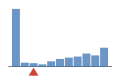
54% of files have more coverage
Classes
| Class | Line # | Actions | |||
|---|---|---|---|---|---|
| SwingJSUtils | 31 | 25 | 14 | ||
| SwingJSUtils.StateMachine | 207 | 0 | 0 | ||
| SwingJSUtils.StateHelper | 219 | 76 | 58 | ||
| SwingJSUtils.Performance | 565 | 36 | 15 |
Contributing tests
This file is covered by 1 test.
.
Source view
| 1 | package javajs.async; | |
| 2 | ||
| 3 | import java.awt.Component; | |
| 4 | import java.awt.Dimension; | |
| 5 | import java.awt.Graphics; | |
| 6 | import java.awt.Image; | |
| 7 | import java.awt.event.ActionEvent; | |
| 8 | import java.awt.event.ActionListener; | |
| 9 | import java.io.BufferedInputStream; | |
| 10 | import java.io.BufferedReader; | |
| 11 | import java.io.ByteArrayInputStream; | |
| 12 | import java.io.IOException; | |
| 13 | import java.io.InputStream; | |
| 14 | import java.io.InputStreamReader; | |
| 15 | import java.util.stream.Collectors; | |
| 16 | ||
| 17 | import javax.imageio.ImageIO; | |
| 18 | import javax.swing.Timer; | |
| 19 | ||
| 20 | /** | |
| 21 | * A set of generally useful SwingJS-related methods. Includes: | |
| 22 | * | |
| 23 | * alternatives to using getCodeBase() for loading resources, due to issues in | |
| 24 | * Eclipse setting that incorrectly (but no problem in JavaScript) | |
| 25 | * | |
| 26 | * | |
| 27 | * | |
| 28 | * @author hansonr | |
| 29 | * | |
| 30 | */ | |
| 31 | public class SwingJSUtils { | |
| 32 | /** | |
| 33 | * Set the dimension for the applet prior to j2sApplet's call to | |
| 34 | * run the applet. Must be used to create a static field: | |
| 35 | * | |
| 36 | * <code> | |
| 37 | * private static Dimension dim = | |
| 38 | * </code> | |
| 39 | * | |
| 40 | * | |
| 41 | * Then, if it is desired also to have Java also set this, add | |
| 42 | * | |
| 43 | * if (dim != null) setSize(dim); | |
| 44 | * | |
| 45 | * to the applet's init() method. | |
| 46 | * | |
| 47 | * @param w | |
| 48 | * @param h | |
| 49 | * @return the Dimension | |
| 50 | * | |
| 51 | * @author hansonr | |
| 52 | */ | |
| 53 | 0 |  public static Dimension setDim(int w, int h) { public static Dimension setDim(int w, int h) { |
| 54 | 0 | String baseURI = (/** @j2sNative document.body.baseURI || */ |
| 55 | null); | |
| 56 | 0 | boolean isTest = (baseURI == null || baseURI.indexOf("_applet.html") >= 0); |
| 57 | 0 | if (!isTest) |
| 58 | 0 | return null; |
| 59 | /** | |
| 60 | * @j2sNative | |
| 61 | * | |
| 62 | * J2S.thisApplet.__Info.width = w; J2S.thisApplet.__Info.height = h; | |
| 63 | */ | |
| 64 | 0 | return new Dimension(w, h); |
| 65 | } | |
| 66 | ||
| 67 | /** | |
| 68 | * Reliably load a resource of a specific type from the code directory | |
| 69 | * | |
| 70 | * adaptable - here we are returning an image or a string | |
| 71 | * | |
| 72 | * @param cl the classname of the object to return (Image.class, | |
| 73 | * String.class) null for InputStream | |
| 74 | * @param filename | |
| 75 | * @return | |
| 76 | * | |
| 77 | * @author hansonr | |
| 78 | */ | |
| 79 | 0 | public static Object getResource(Class<?> baseClass, String filename, Class<?> cl) { |
| 80 | 0 | System.out.println("mpUtils.SwingJSUtils.getResource " + baseClass.getCanonicalName() + " " + filename); |
| 81 | 0 | InputStream is = baseClass.getResourceAsStream(filename); |
| 82 | 0 | if (cl == Image.class) { |
| 83 | 0 | try { |
| 84 | 0 | return ImageIO.read(is); |
| 85 | } catch (IOException e) { | |
| 86 | 0 | e.printStackTrace(); |
| 87 | } | |
| 88 | 0 | } else if (cl == String.class) { |
| 89 | 0 | return new BufferedReader(new InputStreamReader(is)).lines().collect(Collectors.joining("\n")); |
| 90 | } | |
| 91 | 0 | return is; |
| 92 | } | |
| 93 | ||
| 94 | /** | |
| 95 | * Pre-fetch images during the static entry of the class. This should provide | |
| 96 | * plenty of clock ticks, since the file transfer is synchronous, and all we are | |
| 97 | * waiting for is the DOM image object to initialize. | |
| 98 | * | |
| 99 | * @param cl | |
| 100 | * @param images | |
| 101 | * @param root | |
| 102 | * @param nImages | |
| 103 | * @param ext | |
| 104 | */ | |
| 105 | 0 | public static void loadImagesStatic(Class<?> cl, Image[] images, String root, String ext, int nImages) { |
| 106 | 0 | for (int i = nImages; --i >= 0;) { |
| 107 | ||
| 108 | // Bild laden und beim MediaTracker registrieren | |
| 109 | // MediaTracker ladekontrolle = new MediaTracker(this); | |
| 110 | ||
| 111 | // BH SwingJS -- adding generally useful method for loading data | |
| 112 | // avoiding the use of getCodeBase(), which for some reason does not work in | |
| 113 | // Eclipse. | |
| 114 | ||
| 115 | 0 | images[i] = (Image) getResource(cl, root + i + "." + ext, Image.class); |
| 116 | // /** | |
| 117 | // * @j2sNative | |
| 118 | // * $("body").append(images[i]._imgNode); | |
| 119 | // * | |
| 120 | // */ | |
| 121 | // ladekontrolle.addImage(scharf[i],i); | |
| 122 | // Warten , bis Bild ganz geladen ist | |
| 123 | ||
| 124 | // try {ladekontrolle.waitForID(i);} | |
| 125 | // catch (InterruptedException e) | |
| 126 | // {} | |
| 127 | } | |
| 128 | } | |
| 129 | ||
| 130 | /** | |
| 131 | * Fill an array with images based on a String[] listing | |
| 132 | * @param cl reference class | |
| 133 | * @param root optional root path, ending in "/" | |
| 134 | * @param names source file names | |
| 135 | * @param images array to fill | |
| 136 | */ | |
| 137 | 0 | public static void loadImagesStatic(Class<?> cl, String root, String[] names, Image[] images) { |
| 138 | 0 | for (int i = names.length; --i >= 0;) { |
| 139 | 0 | images[i] = (Image) getResource(cl, root + names[i], Image.class); |
| 140 | } | |
| 141 | } | |
| 142 | ||
| 143 | /** | |
| 144 | * Eclipse-friendly image getting | |
| 145 | * | |
| 146 | * @param c | |
| 147 | * @param fileName | |
| 148 | * @return | |
| 149 | */ | |
| 150 | 0 | public static Image getImage(Component c, String fileName) { |
| 151 | 0 | return getImage(c.getClass(), fileName); |
| 152 | } | |
| 153 | ||
| 154 | /** | |
| 155 | * Eclipse-friendly image getting | |
| 156 | * | |
| 157 | * @param c | |
| 158 | * @param fileName | |
| 159 | * @return | |
| 160 | */ | |
| 161 | 0 | public static Image getImage(Class<?> c, String fileName) { |
| 162 | 0 | return (Image) getResource(c, fileName, Image.class); |
| 163 | } | |
| 164 | ||
| 165 | /** | |
| 166 | * Clear the component graphic. BH added this for JavaScript because changing | |
| 167 | * the browser zoom can change the size of the canvas for unknown reasons. | |
| 168 | * | |
| 169 | * @param c | |
| 170 | */ | |
| 171 | 0 | public static void clearComponent(Component c) { |
| 172 | 0 | Graphics gc = c.getGraphics(); |
| 173 | 0 | gc.clearRect(0, 0, c.getWidth(), c.getHeight()); |
| 174 | 0 | gc.dispose(); |
| 175 | } | |
| 176 | ||
| 177 | ||
| 178 | /** | |
| 179 | * A simple interface to the machine loop, generally of the form | |
| 180 | * <code> | |
| 181 | * public boolean stateLoop() { | |
| 182 | * while (stateHepler.isAlive()) { | |
| 183 | * switch (stateHelper.getState()) { | |
| 184 | * case STATE_XXX: | |
| 185 | * ... | |
| 186 | * return stateHelper.delayState(100,STATE_YYY); | |
| 187 | * case STATE_YYY: | |
| 188 | * ... | |
| 189 | * stateHelper.setState(STATE_ZZZ); | |
| 190 | * continue; | |
| 191 | * case STATE_ZZZ: | |
| 192 | * ... | |
| 193 | * return stateHelper.delayAction(100, MY_ID, "myCommand", myListener, STATE_XXX); * | |
| 194 | * case STATE_DONE: | |
| 195 | * ... | |
| 196 | * stateHelper.interrupt(); | |
| 197 | * return false; | |
| 198 | * } | |
| 199 | * return true; | |
| 200 | * } | |
| 201 | * return false; | |
| 202 | * } | |
| 203 | * </code> | |
| 204 | * @author hansonr | |
| 205 | * | |
| 206 | */ | |
| 207 | public interface StateMachine { | |
| 208 | ||
| 209 | public boolean stateLoop(); | |
| 210 | ||
| 211 | } | |
| 212 | /** | |
| 213 | * StateHelper is a class that facilitates moving from an asychronous multithreaded model to a state-oriented model of programming | |
| 214 | * for SwingJS animations and other asynchronous business. | |
| 215 | * | |
| 216 | * @author hansonr | |
| 217 | * | |
| 218 | */ | |
| 219 | public static class StateHelper { | |
| 220 | ||
| 221 | public static final int UNCHANGED = Integer.MIN_VALUE; | |
| 222 | ||
| 223 | private StateMachine machine; | |
| 224 | private int state; | |
| 225 | private int level; | |
| 226 | ||
| 227 | private boolean interrupted; | |
| 228 | ||
| 229 | ||
| 230 | 11 | public StateHelper(StateMachine machine) { |
| 231 | 11 | this.machine = machine; |
| 232 | } | |
| 233 | ||
| 234 | 0 | public void interrupt() { |
| 235 | 0 | interrupted = true; |
| 236 | } | |
| 237 | ||
| 238 | 0 | public boolean isInterrupted() { |
| 239 | 0 | return interrupted; |
| 240 | } | |
| 241 | ||
| 242 | 0 | public boolean isAlive() { |
| 243 | 0 | return !interrupted; |
| 244 | } | |
| 245 | ||
| 246 | 0 | public void restart() { |
| 247 | 0 | interrupted = false; |
| 248 | } | |
| 249 | ||
| 250 | 11 | public void setState(int state) { |
| 251 | 11 | this.state = this.stateNext = state; |
| 252 | } | |
| 253 | ||
| 254 | 27 | public int getState() { |
| 255 | 27 | return state; |
| 256 | } | |
| 257 | ||
| 258 | 0 | public void setLevel(int level) { |
| 259 | 0 | this.level = this.levelNext = level; |
| 260 | } | |
| 261 | ||
| 262 | 0 | public int getLevel() { |
| 263 | 0 | return level; |
| 264 | } | |
| 265 | ||
| 266 | 0 | public void setNextState(int next) { |
| 267 | 0 | stateNext = next; |
| 268 | } | |
| 269 | ||
| 270 | 0 | public int getNextState() { |
| 271 | 0 | return stateNext; |
| 272 | } | |
| 273 | ||
| 274 | 0 | public int getNextLevel() { |
| 275 | 0 | return levelNext; |
| 276 | } | |
| 277 | ||
| 278 | 0 | public void setNextLevel(int next) { |
| 279 | 0 | levelNext = next; |
| 280 | } | |
| 281 | ||
| 282 | /** | |
| 283 | * | |
| 284 | * NOTE: this method must remain private; it is accessed via p$1 | |
| 285 | * | |
| 286 | * @return | |
| 287 | */ | |
| 288 | 5 | private boolean nextState() { |
| 289 | 5 | return next(stateNext, levelNext); |
| 290 | } | |
| 291 | /** | |
| 292 | * Set the state and run machine.stateLoop(). | |
| 293 | * | |
| 294 | * @param state something meaningful to the machine | |
| 295 | * | |
| 296 | * @return not interrupted | |
| 297 | * | |
| 298 | * @author Bob Hanson hansonr@stolaf.edu | |
| 299 | */ | |
| 300 | 11 | public boolean next(int state) { |
| 301 | 11 | return next(state, 0); |
| 302 | } | |
| 303 | ||
| 304 | /** | |
| 305 | * Set the state and level, and then run machine.stateLoop(). Driven directly or via delayedState or delayedAction | |
| 306 | * | |
| 307 | * @param state something meaningful to the machine | |
| 308 | * @param level something meaningful to the machine | |
| 309 | * | |
| 310 | * @return not interrupted | |
| 311 | * | |
| 312 | * @author Bob Hanson hansonr@stolaf.edu | |
| 313 | */ | |
| 314 | 16 | public boolean next(int state, int level) { |
| 315 | 16 | return nextStatePriv(this, state, level); |
| 316 | } | |
| 317 | ||
| 318 | 16 | private static boolean nextStatePriv(Object oThis, int state, int level) { |
| 319 | 16 | StateHelper me = (StateHelper) oThis; |
| 320 | 16 | if (me.interrupted) |
| 321 | 0 | return false; |
| 322 | 16 | if (level != UNCHANGED) |
| 323 | 16 | me.level = level; |
| 324 | 16 | if (state != UNCHANGED) |
| 325 | 16 | me.state = state; |
| 326 | 16 | return me.machine.stateLoop(); |
| 327 | } | |
| 328 | ||
| 329 | /** | |
| 330 | * After the given number of milliseseconds, set the new state and run the machines stateLoop with unchanged level | |
| 331 | * | |
| 332 | * @param ms the number of milliseconds to delay; 0 to execute synchronously * | |
| 333 | * @param stateNext the next state to run | |
| 334 | * @return not interrupted | |
| 335 | * | |
| 336 | * @author Bob Hanson hansonr@stolaf.edu | |
| 337 | */ | |
| 338 | 11 | public boolean delayedState(int ms, int stateNext) { |
| 339 | 11 | return delayedState(ms, stateNext, level); |
| 340 | } | |
| 341 | ||
| 342 | private Timer stateTimer; | |
| 343 | ||
| 344 | private int stateNext; | |
| 345 | private int levelNext; | |
| 346 | ||
| 347 | /** | |
| 348 | * After the given number of milliseseconds, set the new state and level, and | |
| 349 | * run the machines stateLoop | |
| 350 | * | |
| 351 | * @param ms the number of milliseconds to delay; 0 to execute | |
| 352 | * synchronously * | |
| 353 | * @param stateNext the next state | |
| 354 | * @param levelNext the next level | |
| 355 | * @return not interrupted | |
| 356 | * | |
| 357 | * @author Bob Hanson hansonr@stolaf.edu | |
| 358 | */ | |
| 359 | ||
| 360 | 11 | public boolean delayedState(int ms, int stateNext, int levelNext) { |
| 361 | 11 | if (interrupted) |
| 362 | 0 | return false; |
| 363 | 11 | if (ms == 0) |
| 364 | 0 | return next(stateNext, levelNext); |
| 365 | 11 | if (stateNext != UNCHANGED) |
| 366 | 11 | this.stateNext = stateNext; |
| 367 | 11 | if (levelNext != UNCHANGED) |
| 368 | 11 | this.levelNext = levelNext; |
| 369 | ||
| 370 | /** | |
| 371 | * @j2sNative | |
| 372 | * var me = this; | |
| 373 | * setTimeout(function(){ | |
| 374 | * p$1.nextState.apply(me, []); | |
| 375 | * },ms); | |
| 376 | */ | |
| 377 | { | |
| 378 | // Java only | |
| 379 | ||
| 380 | 11 | if (stateTimer == null) { |
| 381 | 11 | stateTimer = new Timer(ms, new ActionListener() { |
| 382 | 5 | @Override |
| 383 | public void actionPerformed(ActionEvent e) { | |
| 384 | 5 | nextState(); |
| 385 | } | |
| 386 | ||
| 387 | }); | |
| 388 | 11 | stateTimer.setRepeats(false); |
| 389 | 11 | stateTimer.start(); |
| 390 | } else { | |
| 391 | 0 | stateTimer.restart(); |
| 392 | } | |
| 393 | } | |
| 394 | 11 | return true; |
| 395 | } | |
| 396 | ||
| 397 | /** | |
| 398 | * Fire an actionPerformed event after a given number of milliseconds | |
| 399 | * | |
| 400 | * @param ms delay milliseconds. if 0, then this action will be called | |
| 401 | * synchronously | |
| 402 | * @param id id for this event, possibly ACTION_PERFORMED (1001), but not | |
| 403 | * necessarily | |
| 404 | * @param command key for ActionEvent.getCommand() | |
| 405 | * @param listener ActionListener to be called. | |
| 406 | * @return not interrupted | |
| 407 | * | |
| 408 | * @author Bob Hanson hansonr@stolaf.edu | |
| 409 | */ | |
| 410 | 0 | public boolean delayedAction(int ms, int id, String command, ActionListener listener) { |
| 411 | 0 | return delayedAction(ms, id, command, listener, UNCHANGED, UNCHANGED); |
| 412 | } | |
| 413 | ||
| 414 | /** | |
| 415 | * Fire an actionPerformed event after a given number of milliseconds | |
| 416 | * | |
| 417 | * @param ms delay milliseconds. if 0, then this action will be called | |
| 418 | * synchronously | |
| 419 | * @param id id for this event, possibly ACTION_PERFORMED (1001), but not | |
| 420 | * necessarily | |
| 421 | * @param command key for ActionEvent.getCommand() | |
| 422 | * @param listener ActionListener to be called. | |
| 423 | * | |
| 424 | * @param state the next state to go to after this listener is called; UNCHANGED to let the listener take care of this. | |
| 425 | * | |
| 426 | * @return not interrupted | |
| 427 | * | |
| 428 | * @author Bob Hanson hansonr@stolaf.edu | |
| 429 | */ | |
| 430 | 0 | public boolean delayedAction(int ms, int id, String command, ActionListener listener, int state) { |
| 431 | 0 | return delayedAction(ms, id, command, listener, state, UNCHANGED); |
| 432 | } | |
| 433 | ||
| 434 | /** | |
| 435 | * Fire an actionPerformed event after a given number of milliseconds. Setting BOTH stateNext and levelNext to UNCHANGED (Integer.MIN_VALUE) | |
| 436 | * allows the listener to handle continuing the loop. | |
| 437 | * | |
| 438 | * @param ms delay milliseconds. if 0, then this action will be called | |
| 439 | * synchronously | |
| 440 | * @param id id for this event, possibly ACTION_PERFORMED (1001), but not | |
| 441 | * necessarily | |
| 442 | * @param command key for ActionEvent.getCommand() | |
| 443 | * @param listener ActionListener to be called. | |
| 444 | * @param stateNext state to run after the event is processed by the listener, or UNCHANGED (Integer.MIN_VALUE) to allow listener to handle this. | |
| 445 | * @param levelNext level to run after the event is processed by the listener, or UNCHANGED (Integer.MIN_VALUE) to allow listener to handle this. | |
| 446 | * @return not interrupted | |
| 447 | * | |
| 448 | * @author Bob Hanson hansonr@stolaf.edu | |
| 449 | */ | |
| 450 | 0 | public boolean delayedAction(int ms, int id, String command, ActionListener listener, int stateNext, int levelNext) { |
| 451 | 0 | if (interrupted) |
| 452 | 0 | return false; |
| 453 | 0 | ActionEvent event = new ActionEvent(this, id, command); |
| 454 | 0 | if (ms == 0) { |
| 455 | 0 | listener.actionPerformed(event); |
| 456 | 0 | return (stateNext == UNCHANGED && levelNext == UNCHANGED || nextStatePriv(this, stateNext == UNCHANGED ? state : stateNext, levelNext == UNCHANGED ? level : levelNext)); |
| 457 | } | |
| 458 | ||
| 459 | 0 | StateHelper me = this; |
| 460 | ||
| 461 | 0 | Timer timer = new Timer(ms, id == ActionEvent.ACTION_PERFORMED ? listener : new ActionListener() { |
| 462 | 0 | @Override |
| 463 | public void actionPerformed(ActionEvent e) { | |
| 464 | 0 | if (!interrupted) |
| 465 | 0 | listener.actionPerformed(event); |
| 466 | 0 | if (!interrupted && (stateNext != UNCHANGED || levelNext != UNCHANGED)) |
| 467 | 0 | nextStatePriv(me, stateNext == UNCHANGED ? state : stateNext, levelNext == UNCHANGED ? level : levelNext); |
| 468 | } | |
| 469 | ||
| 470 | }); | |
| 471 | 0 | timer.setRepeats(false); |
| 472 | 0 | timer.start(); |
| 473 | 0 | return true; |
| 474 | } | |
| 475 | ||
| 476 | 0 | public static void delayedRun(int ms, Runnable runnable) { |
| 477 | 0 | new StateHelper(null).delayedRun(ms, runnable, UNCHANGED, UNCHANGED); |
| 478 | } | |
| 479 | ||
| 480 | ||
| 481 | /** | |
| 482 | * Fire an actionPerformed event after a given number of milliseconds. Setting | |
| 483 | * BOTH stateNext and levelNext to UNCHANGED (Integer.MIN_VALUE) allows the | |
| 484 | * listener to handle continuing the loop. | |
| 485 | * | |
| 486 | * @param ms delay milliseconds. if 0, then this action will be called | |
| 487 | * synchronously | |
| 488 | * @param id id for this event, possibly ACTION_PERFORMED (1001), but not | |
| 489 | * necessarily | |
| 490 | * @param command key for ActionEvent.getCommand() | |
| 491 | * @param listener ActionListener to be called. | |
| 492 | * @param stateNext state to run after the event is processed by the listener, | |
| 493 | * or UNCHANGED (Integer.MIN_VALUE) to allow listener to handle | |
| 494 | * this. | |
| 495 | * @param levelNext level to run after the event is processed by the listener, | |
| 496 | * or UNCHANGED (Integer.MIN_VALUE) to allow listener to handle | |
| 497 | * this. | |
| 498 | * @return not interrupted | |
| 499 | * | |
| 500 | * @author Bob Hanson hansonr@stolaf.edu | |
| 501 | */ | |
| 502 | 0 | public boolean delayedRun(int ms, Runnable runnable, int stateNext, int levelNext) { |
| 503 | 0 | if (interrupted) |
| 504 | 0 | return false; |
| 505 | 0 | if (ms == 0) { |
| 506 | 0 | return (stateNext == UNCHANGED && levelNext == UNCHANGED || nextStateIfUnchanged(this, runnable, |
| 507 | 0 | stateNext == UNCHANGED ? state : stateNext, levelNext == UNCHANGED ? level : levelNext)); |
| 508 | } | |
| 509 | 0 | StateHelper me = this; |
| 510 | /** | |
| 511 | * @j2sNative | |
| 512 | * | |
| 513 | * setTimeout(function() { | |
| 514 | * | |
| 515 | * me.nextStateIfUnchanged$O$O$I$I.apply(me, [me, runnable, stateNext, levelNext]); | |
| 516 | * | |
| 517 | * },ms); | |
| 518 | */ | |
| 519 | { | |
| 520 | 0 | Timer timer = new Timer(ms, new ActionListener() { |
| 521 | 0 | @Override |
| 522 | public void actionPerformed(ActionEvent e) { | |
| 523 | 0 | nextStateIfUnchanged(me, runnable, stateNext, levelNext); |
| 524 | } | |
| 525 | ||
| 526 | }); | |
| 527 | 0 | timer.setRepeats(false); |
| 528 | 0 | timer.start(); |
| 529 | } | |
| 530 | 0 | return true; |
| 531 | } | |
| 532 | ||
| 533 | 0 | protected boolean nextStateIfUnchanged(Object oThis, Object runnable, int stateNext, int levelNext) { |
| 534 | 0 | StateHelper me = (StateHelper)(oThis); |
| 535 | 0 | if (!me.interrupted) |
| 536 | 0 | ((Runnable) runnable).run(); |
| 537 | 0 | if (!me.interrupted && (stateNext != UNCHANGED || levelNext != UNCHANGED)) |
| 538 | 0 | nextStatePriv(oThis, stateNext == UNCHANGED ? me.state : stateNext, |
| 539 | 0 | levelNext == UNCHANGED ? me.level : levelNext); |
| 540 | 0 | return true; |
| 541 | } | |
| 542 | ||
| 543 | /** | |
| 544 | * sleep and then execute the next state | |
| 545 | * @param ms | |
| 546 | */ | |
| 547 | 0 | public void sleep(int ms) { |
| 548 | 0 | int next = stateNext; |
| 549 | 0 | delayedState(ms, next); |
| 550 | } | |
| 551 | } | |
| 552 | ||
| 553 | /** | |
| 554 | * open a "url-like" input stream | |
| 555 | * @param base | |
| 556 | * @param fileName | |
| 557 | * @return | |
| 558 | */ | |
| 559 | 0 | public static BufferedInputStream openStream(Class<?> base, String fileName) { |
| 560 | 0 | String s = (String) getResource(base, fileName, String.class); |
| 561 | 0 | return new BufferedInputStream(new ByteArrayInputStream(s.getBytes())); |
| 562 | } | |
| 563 | ||
| 564 | ||
| 565 | public static class Performance { | |
| 566 | ||
| 567 | public final static int TIME_RESET = 0; | |
| 568 | ||
| 569 | public final static int TIME_MARK = 1; | |
| 570 | ||
| 571 | public static final int TIME_SET = 2; | |
| 572 | ||
| 573 | public static final int TIME_GET = 3; | |
| 574 | ||
| 575 | public static long time, mark, set, duration; | |
| 576 | ||
| 577 | /** | |
| 578 | * typical usage: | |
| 579 | * | |
| 580 | * Performance.timeCheck(null, Platform.TIME_MARK); | |
| 581 | * | |
| 582 | * ... | |
| 583 | * | |
| 584 | * Performance.timeCheck("some message", Platform.TIME_MARK); | |
| 585 | * | |
| 586 | * reset...[set/mark]n...get (total time) (time spent between set and mark) | |
| 587 | * | |
| 588 | * set...get (total time) (time spent between set and get) | |
| 589 | * | |
| 590 | * long t0 = now(0); ........ ; dt = now(t0); (time since t0)e | |
| 591 | * | |
| 592 | * @param msg | |
| 593 | * @param mode | |
| 594 | */ | |
| 595 | 0 | public static void timeCheck(String msg, int mode) { |
| 596 | 0 | msg = timeCheckStr(msg, mode); |
| 597 | 0 | if (msg != null) |
| 598 | 0 | System.err.println(msg); |
| 599 | } | |
| 600 | ||
| 601 | 0 | public static long now(long t) { |
| 602 | 0 | return System.currentTimeMillis() - t; |
| 603 | } | |
| 604 | ||
| 605 | 0 | public static String timeCheckStr(String msg, int mode) { |
| 606 | 0 | long t = System.currentTimeMillis(); |
| 607 | 0 | switch (mode) { |
| 608 | 0 | case TIME_RESET: |
| 609 | 0 | time = mark = t; |
| 610 | 0 | duration = set = 0; |
| 611 | 0 | if (msg != null) { |
| 612 | 0 | return ("Platform: timer reset\t\t\t" + msg); |
| 613 | } | |
| 614 | 0 | break; |
| 615 | 0 | case TIME_SET: |
| 616 | 0 | if (time == 0) |
| 617 | 0 | time = t; |
| 618 | 0 | set = t; |
| 619 | 0 | break; |
| 620 | 0 | case TIME_MARK: |
| 621 | 0 | if (set > 0) { |
| 622 | // total time between set/mark points | |
| 623 | 0 | duration += (t - set); |
| 624 | } else { | |
| 625 | 0 | if (time == 0) { |
| 626 | 0 | time = mark = t; |
| 627 | } | |
| 628 | 0 | if (msg != null) { |
| 629 | 0 | long m0 = mark; |
| 630 | 0 | mark = t; |
| 631 | 0 | return ("Platform: timer mark\t" + ((t - time) / 1000f) + "\t" + ((t - m0) / 1000f) + "\t" |
| 632 | + msg); | |
| 633 | } | |
| 634 | 0 | mark = t; |
| 635 | } | |
| 636 | 0 | break; |
| 637 | 0 | case TIME_GET: |
| 638 | 0 | if (msg != null) { |
| 639 | 0 | if (mark < set) |
| 640 | 0 | duration = t - set; |
| 641 | 0 | return ("Platform: timer get\t" + ((t - time) / 1000f) + "\t" + ((duration) / 1000f) + "\t" + msg); |
| 642 | } | |
| 643 | 0 | set = 0; |
| 644 | 0 | break; |
| 645 | } | |
| 646 | 0 | return null; |
| 647 | } | |
| 648 | ||
| 649 | } | |
| 650 | ||
| 651 | } |