
Coverage Report
File AlignmentSorter.java
Coverage histogram
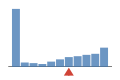
37% of files have more coverage
Classes
| Class | Line # | Actions | |||
|---|---|---|---|---|---|
| AlignmentSorter | 55 | 250 | 104 |
Contributing tests
This file is covered by 1 test.
.
Source view
| 1 | /* | |
| 2 | * Jalview - A Sequence Alignment Editor and Viewer ($$Version-Rel$$) | |
| 3 | * Copyright (C) $$Year-Rel$$ The Jalview Authors | |
| 4 | * | |
| 5 | * This file is part of Jalview. | |
| 6 | * | |
| 7 | * Jalview is free software: you can redistribute it and/or | |
| 8 | * modify it under the terms of the GNU General Public License | |
| 9 | * as published by the Free Software Foundation, either version 3 | |
| 10 | * of the License, or (at your option) any later version. | |
| 11 | * | |
| 12 | * Jalview is distributed in the hope that it will be useful, but | |
| 13 | * WITHOUT ANY WARRANTY; without even the implied warranty | |
| 14 | * of MERCHANTABILITY or FITNESS FOR A PARTICULAR | |
| 15 | * PURPOSE. See the GNU General Public License for more details. | |
| 16 | * | |
| 17 | * You should have received a copy of the GNU General Public License | |
| 18 | * along with Jalview. If not, see <http://www.gnu.org/licenses/>. | |
| 19 | * The Jalview Authors are detailed in the 'AUTHORS' file. | |
| 20 | */ | |
| 21 | package jalview.analysis; | |
| 22 | ||
| 23 | import java.util.ArrayList; | |
| 24 | import java.util.Collections; | |
| 25 | import java.util.Iterator; | |
| 26 | import java.util.List; | |
| 27 | ||
| 28 | import jalview.analysis.scoremodels.PIDModel; | |
| 29 | import jalview.analysis.scoremodels.SimilarityParams; | |
| 30 | import jalview.datamodel.AlignmentAnnotation; | |
| 31 | import jalview.datamodel.AlignmentI; | |
| 32 | import jalview.datamodel.AlignmentOrder; | |
| 33 | import jalview.datamodel.BinaryNode; | |
| 34 | import jalview.datamodel.SequenceFeature; | |
| 35 | import jalview.datamodel.SequenceGroup; | |
| 36 | import jalview.datamodel.SequenceI; | |
| 37 | import jalview.datamodel.SequenceNode; | |
| 38 | import jalview.util.QuickSort; | |
| 39 | ||
| 40 | /** | |
| 41 | * Routines for manipulating the order of a multiple sequence alignment TODO: | |
| 42 | * this class retains some global states concerning sort-order which should be | |
| 43 | * made attributes for the caller's alignment visualization. TODO: refactor to | |
| 44 | * allow a subset of selected sequences to be sorted within the context of a | |
| 45 | * whole alignment. Sort method template is: SequenceI[] tobesorted, [ input | |
| 46 | * data mapping to each tobesorted element to use ], Alignment context of | |
| 47 | * tobesorted that are to be re-ordered, boolean sortinplace, [special data - ie | |
| 48 | * seuqence to be sorted w.r.t.]) sortinplace implies that the sorted vector | |
| 49 | * resulting from applying the operation to tobesorted should be mapped back to | |
| 50 | * the original positions in alignment. Otherwise, normal behaviour is to re | |
| 51 | * order alignment so that tobesorted is sorted and grouped together starting | |
| 52 | * from the first tobesorted position in the alignment. e.g. (a,tb2,b,tb1,c,tb3 | |
| 53 | * becomes a,tb1,tb2,tb3,b,c) | |
| 54 | */ | |
| 55 | public class AlignmentSorter | |
| 56 | { | |
| 57 | /* | |
| 58 | * TODO: refactor searches to follow a basic pattern: (search property, last | |
| 59 | * search state, current sort direction) | |
| 60 | */ | |
| 61 | static boolean sortIdAscending = true; | |
| 62 | ||
| 63 | static boolean sortDescripionAscending = true; | |
| 64 | ||
| 65 | static int lastGroupHash = 0; | |
| 66 | ||
| 67 | static boolean sortGroupAscending = true; | |
| 68 | ||
| 69 | static AlignmentOrder lastOrder = null; | |
| 70 | ||
| 71 | static boolean sortOrderAscending = true; | |
| 72 | ||
| 73 | static TreeModel lastTree = null; | |
| 74 | ||
| 75 | static boolean sortTreeAscending = true; | |
| 76 | ||
| 77 | /* | |
| 78 | * last Annotation Label used for sort by Annotation score | |
| 79 | */ | |
| 80 | private static String lastSortByAnnotation; | |
| 81 | ||
| 82 | /* | |
| 83 | * string hash of last arguments to sortByFeature | |
| 84 | * (sort order toggles if this is unchanged between sorts) | |
| 85 | */ | |
| 86 | private static String sortByFeatureCriteria; | |
| 87 | ||
| 88 | private static boolean sortByFeatureAscending = true; | |
| 89 | ||
| 90 | private static boolean sortLengthAscending; | |
| 91 | ||
| 92 | /** | |
| 93 | * Sorts sequences in the alignment by Percentage Identity with the given | |
| 94 | * reference sequence, sorting the highest identity to the top | |
| 95 | * | |
| 96 | * @param align | |
| 97 | * AlignmentI | |
| 98 | * @param s | |
| 99 | * SequenceI | |
| 100 | * @param end | |
| 101 | */ | |
| 102 | 0 |  public static void sortByPID(AlignmentI align, SequenceI s) public static void sortByPID(AlignmentI align, SequenceI s) |
| 103 | { | |
| 104 | 0 | int nSeq = align.getHeight(); |
| 105 | ||
| 106 | 0 | float[] scores = new float[nSeq]; |
| 107 | 0 | SequenceI[] seqs = new SequenceI[nSeq]; |
| 108 | 0 | String refSeq = s.getSequenceAsString(); |
| 109 | ||
| 110 | 0 | SimilarityParams pidParams = new SimilarityParams(true, true, true, |
| 111 | true); | |
| 112 | 0 | for (int i = 0; i < nSeq; i++) |
| 113 | { | |
| 114 | 0 | scores[i] = (float) PIDModel.computePID( |
| 115 | align.getSequenceAt(i).getSequenceAsString(), refSeq, | |
| 116 | pidParams); | |
| 117 | 0 | seqs[i] = align.getSequenceAt(i); |
| 118 | } | |
| 119 | ||
| 120 | 0 | QuickSort.sort(scores, seqs); |
| 121 | ||
| 122 | 0 | setReverseOrder(align, seqs); |
| 123 | } | |
| 124 | ||
| 125 | /** | |
| 126 | * Reverse the order of the sort | |
| 127 | * | |
| 128 | * @param align | |
| 129 | * DOCUMENT ME! | |
| 130 | * @param seqs | |
| 131 | * DOCUMENT ME! | |
| 132 | */ | |
| 133 | 2 | private static void setReverseOrder(AlignmentI align, SequenceI[] seqs) |
| 134 | { | |
| 135 | 2 | int nSeq = seqs.length; |
| 136 | ||
| 137 | 2 | int len = 0; |
| 138 | ||
| 139 | 2 | if ((nSeq % 2) == 0) |
| 140 | { | |
| 141 | 0 | len = nSeq / 2; |
| 142 | } | |
| 143 | else | |
| 144 | { | |
| 145 | 2 | len = (nSeq + 1) / 2; |
| 146 | } | |
| 147 | ||
| 148 | // NOTE: DO NOT USE align.setSequenceAt() here - it will NOT work | |
| 149 | 2 | List<SequenceI> asq = align.getSequences(); |
| 150 | 2 | synchronized (asq) |
| 151 | { | |
| 152 | 36 | for (int i = 0; i < len; i++) |
| 153 | { | |
| 154 | // SequenceI tmp = seqs[i]; | |
| 155 | 34 | asq.set(i, seqs[nSeq - i - 1]); |
| 156 | 34 | asq.set(nSeq - i - 1, seqs[i]); |
| 157 | } | |
| 158 | } | |
| 159 | } | |
| 160 | ||
| 161 | /** | |
| 162 | * Sets the Alignment object with the given sequences | |
| 163 | * | |
| 164 | * @param align | |
| 165 | * Alignment object to be updated | |
| 166 | * @param tmp | |
| 167 | * sequences as a vector | |
| 168 | */ | |
| 169 | 3 | private static void setOrder(AlignmentI align, List<SequenceI> tmp) |
| 170 | { | |
| 171 | 3 | setOrder(align, vectorSubsetToArray(tmp, align.getSequences())); |
| 172 | } | |
| 173 | ||
| 174 | /** | |
| 175 | * Sets the Alignment object with the given sequences | |
| 176 | * | |
| 177 | * @param align | |
| 178 | * DOCUMENT ME! | |
| 179 | * @param seqs | |
| 180 | * sequences as an array | |
| 181 | */ | |
| 182 | 9 | public static void setOrder(AlignmentI align, SequenceI[] seqs) |
| 183 | { | |
| 184 | // NOTE: DO NOT USE align.setSequenceAt() here - it will NOT work | |
| 185 | 9 | List<SequenceI> algn = align.getSequences(); |
| 186 | 9 | synchronized (algn) |
| 187 | { | |
| 188 | 9 | List<SequenceI> tmp = new ArrayList<>(); |
| 189 | ||
| 190 | 125 | for (int i = 0; i < seqs.length; i++) |
| 191 | { | |
| 192 | 116 | if (algn.contains(seqs[i])) |
| 193 | { | |
| 194 | 116 | tmp.add(seqs[i]); |
| 195 | } | |
| 196 | } | |
| 197 | ||
| 198 | 9 | algn.clear(); |
| 199 | // User may have hidden seqs, then clicked undo or redo | |
| 200 | 125 | for (int i = 0; i < tmp.size(); i++) |
| 201 | { | |
| 202 | 116 | algn.add(tmp.get(i)); |
| 203 | } | |
| 204 | } | |
| 205 | } | |
| 206 | ||
| 207 | /** | |
| 208 | * Sorts by ID. Numbers are sorted before letters. | |
| 209 | * | |
| 210 | * @param align | |
| 211 | * The alignment object to sort | |
| 212 | */ | |
| 213 | 0 | public static void sortByID(AlignmentI align) |
| 214 | { | |
| 215 | 0 | int nSeq = align.getHeight(); |
| 216 | ||
| 217 | 0 | String[] ids = new String[nSeq]; |
| 218 | 0 | SequenceI[] seqs = new SequenceI[nSeq]; |
| 219 | ||
| 220 | 0 | for (int i = 0; i < nSeq; i++) |
| 221 | { | |
| 222 | 0 | ids[i] = align.getSequenceAt(i).getName(); |
| 223 | 0 | seqs[i] = align.getSequenceAt(i); |
| 224 | } | |
| 225 | ||
| 226 | 0 | QuickSort.sort(ids, seqs); |
| 227 | ||
| 228 | 0 | if (sortIdAscending) |
| 229 | { | |
| 230 | 0 | setReverseOrder(align, seqs); |
| 231 | } | |
| 232 | else | |
| 233 | { | |
| 234 | 0 | setOrder(align, seqs); |
| 235 | } | |
| 236 | ||
| 237 | 0 | sortIdAscending = !sortIdAscending; |
| 238 | } | |
| 239 | ||
| 240 | /** | |
| 241 | * Sorts by Description. Numbers are sorted before letters. | |
| 242 | * | |
| 243 | * @param align | |
| 244 | * The alignment object to sort | |
| 245 | */ | |
| 246 | 0 | public static void sortByDescription(AlignmentI align) |
| 247 | { | |
| 248 | 0 | int nSeq = align.getHeight(); |
| 249 | ||
| 250 | 0 | String[] ids = new String[nSeq]; |
| 251 | 0 | SequenceI[] seqs = new SequenceI[nSeq]; |
| 252 | ||
| 253 | 0 | for (int i = 0; i < nSeq; i++) |
| 254 | { | |
| 255 | 0 | ids[i] = align.getSequenceAt(i).getDescription() != null |
| 256 | ? align.getSequenceAt(i).getDescription() | |
| 257 | : ""; | |
| 258 | 0 | seqs[i] = align.getSequenceAt(i); |
| 259 | } | |
| 260 | ||
| 261 | 0 | QuickSort.sort(ids, seqs); |
| 262 | ||
| 263 | 0 | if (sortIdAscending) |
| 264 | { | |
| 265 | 0 | setReverseOrder(align, seqs); |
| 266 | } | |
| 267 | else | |
| 268 | { | |
| 269 | 0 | setOrder(align, seqs); |
| 270 | } | |
| 271 | ||
| 272 | 0 | sortDescripionAscending = !sortDescripionAscending; |
| 273 | } | |
| 274 | ||
| 275 | /** | |
| 276 | * Sorts by sequence length | |
| 277 | * | |
| 278 | * @param align | |
| 279 | * The alignment object to sort | |
| 280 | */ | |
| 281 | 0 | public static void sortByLength(AlignmentI align) |
| 282 | { | |
| 283 | 0 | int nSeq = align.getHeight(); |
| 284 | ||
| 285 | 0 | float[] length = new float[nSeq]; |
| 286 | 0 | SequenceI[] seqs = new SequenceI[nSeq]; |
| 287 | ||
| 288 | 0 | for (int i = 0; i < nSeq; i++) |
| 289 | { | |
| 290 | 0 | seqs[i] = align.getSequenceAt(i); |
| 291 | 0 | length[i] = (seqs[i].getEnd() - seqs[i].getStart()); |
| 292 | } | |
| 293 | ||
| 294 | 0 | QuickSort.sort(length, seqs); |
| 295 | ||
| 296 | 0 | if (sortLengthAscending) |
| 297 | { | |
| 298 | 0 | setReverseOrder(align, seqs); |
| 299 | } | |
| 300 | else | |
| 301 | { | |
| 302 | 0 | setOrder(align, seqs); |
| 303 | } | |
| 304 | ||
| 305 | 0 | sortLengthAscending = !sortLengthAscending; |
| 306 | } | |
| 307 | ||
| 308 | /** | |
| 309 | * Sorts the alignment by size of group. <br> | |
| 310 | * Maintains the order of sequences in each group by order in given alignment | |
| 311 | * object. | |
| 312 | * | |
| 313 | * @param align | |
| 314 | * sorts the given alignment object by group | |
| 315 | */ | |
| 316 | 4 | public static void sortByGroup(AlignmentI align) |
| 317 | { | |
| 318 | // MAINTAINS ORIGNAL SEQUENCE ORDER, | |
| 319 | // ORDERS BY GROUP SIZE | |
| 320 | 4 | List<SequenceGroup> groups = new ArrayList<>(); |
| 321 | ||
| 322 | 4 | if (groups.hashCode() != lastGroupHash) |
| 323 | { | |
| 324 | 1 | sortGroupAscending = true; |
| 325 | 1 | lastGroupHash = groups.hashCode(); |
| 326 | } | |
| 327 | else | |
| 328 | { | |
| 329 | 3 | sortGroupAscending = !sortGroupAscending; |
| 330 | } | |
| 331 | ||
| 332 | // SORTS GROUPS BY SIZE | |
| 333 | // //////////////////// | |
| 334 | 4 | for (SequenceGroup sg : align.getGroups()) |
| 335 | { | |
| 336 | 44 | for (int j = 0; j < groups.size(); j++) |
| 337 | { | |
| 338 | 32 | SequenceGroup sg2 = groups.get(j); |
| 339 | ||
| 340 | 32 | if (sg.getSize() > sg2.getSize()) |
| 341 | { | |
| 342 | 8 | groups.add(j, sg); |
| 343 | ||
| 344 | 8 | break; |
| 345 | } | |
| 346 | } | |
| 347 | ||
| 348 | 20 | if (!groups.contains(sg)) |
| 349 | { | |
| 350 | 12 | groups.add(sg); |
| 351 | } | |
| 352 | } | |
| 353 | ||
| 354 | // NOW ADD SEQUENCES MAINTAINING ALIGNMENT ORDER | |
| 355 | // ///////////////////////////////////////////// | |
| 356 | 4 | List<SequenceI> seqs = new ArrayList<>(); |
| 357 | ||
| 358 | 24 | for (int i = 0; i < groups.size(); i++) |
| 359 | { | |
| 360 | 20 | SequenceGroup sg = groups.get(i); |
| 361 | 20 | SequenceI[] orderedseqs = sg.getSequencesInOrder(align); |
| 362 | ||
| 363 | 152 | for (int j = 0; j < orderedseqs.length; j++) |
| 364 | { | |
| 365 | 132 | seqs.add(orderedseqs[j]); |
| 366 | } | |
| 367 | } | |
| 368 | ||
| 369 | 4 | if (sortGroupAscending) |
| 370 | { | |
| 371 | 2 | setOrder(align, seqs); |
| 372 | } | |
| 373 | else | |
| 374 | { | |
| 375 | 2 | setReverseOrder(align, |
| 376 | vectorSubsetToArray(seqs, align.getSequences())); | |
| 377 | } | |
| 378 | } | |
| 379 | ||
| 380 | /** | |
| 381 | * Select sequences in order from tmp that is present in mask, and any | |
| 382 | * remaining sequences in mask not in tmp | |
| 383 | * | |
| 384 | * @param tmp | |
| 385 | * thread safe collection of sequences | |
| 386 | * @param mask | |
| 387 | * thread safe collection of sequences | |
| 388 | * | |
| 389 | * @return intersect(tmp,mask)+intersect(complement(tmp),mask) | |
| 390 | */ | |
| 391 | 5 | private static SequenceI[] vectorSubsetToArray(List<SequenceI> tmp, |
| 392 | List<SequenceI> mask) | |
| 393 | { | |
| 394 | // or? | |
| 395 | // tmp2 = tmp.retainAll(mask); | |
| 396 | // return tmp2.addAll(mask.removeAll(tmp2)) | |
| 397 | ||
| 398 | 5 | ArrayList<SequenceI> seqs = new ArrayList<>(); |
| 399 | 5 | int i, idx; |
| 400 | 5 | boolean[] tmask = new boolean[mask.size()]; |
| 401 | ||
| 402 | 152 | for (i = 0; i < mask.size(); i++) |
| 403 | { | |
| 404 | 147 | tmask[i] = true; |
| 405 | } | |
| 406 | ||
| 407 | 152 | for (i = 0; i < tmp.size(); i++) |
| 408 | { | |
| 409 | 147 | SequenceI sq = tmp.get(i); |
| 410 | 147 | idx = mask.indexOf(sq); |
| 411 | 147 | if (idx > -1 && tmask[idx]) |
| 412 | { | |
| 413 | 147 | tmask[idx] = false; |
| 414 | 147 | seqs.add(sq); |
| 415 | } | |
| 416 | } | |
| 417 | ||
| 418 | 152 | for (i = 0; i < tmask.length; i++) |
| 419 | { | |
| 420 | 147 | if (tmask[i]) |
| 421 | { | |
| 422 | 0 | seqs.add(mask.get(i)); |
| 423 | } | |
| 424 | } | |
| 425 | ||
| 426 | 5 | return seqs.toArray(new SequenceI[seqs.size()]); |
| 427 | } | |
| 428 | ||
| 429 | /** | |
| 430 | * Sorts by a given AlignmentOrder object | |
| 431 | * | |
| 432 | * @param align | |
| 433 | * Alignment to order | |
| 434 | * @param order | |
| 435 | * specified order for alignment | |
| 436 | */ | |
| 437 | 0 | public static void sortBy(AlignmentI align, AlignmentOrder order) |
| 438 | { | |
| 439 | // Get an ordered vector of sequences which may also be present in align | |
| 440 | 0 | List<SequenceI> tmp = order.getOrder(); |
| 441 | ||
| 442 | 0 | if (lastOrder == order) |
| 443 | { | |
| 444 | 0 | sortOrderAscending = !sortOrderAscending; |
| 445 | } | |
| 446 | else | |
| 447 | { | |
| 448 | 0 | sortOrderAscending = true; |
| 449 | } | |
| 450 | ||
| 451 | 0 | if (sortOrderAscending) |
| 452 | { | |
| 453 | 0 | setOrder(align, tmp); |
| 454 | } | |
| 455 | else | |
| 456 | { | |
| 457 | 0 | setReverseOrder(align, |
| 458 | vectorSubsetToArray(tmp, align.getSequences())); | |
| 459 | } | |
| 460 | } | |
| 461 | ||
| 462 | /** | |
| 463 | * DOCUMENT ME! | |
| 464 | * | |
| 465 | * @param align | |
| 466 | * alignment to order | |
| 467 | * @param tree | |
| 468 | * tree which has | |
| 469 | * | |
| 470 | * @return DOCUMENT ME! | |
| 471 | */ | |
| 472 | 1 | private static List<SequenceI> getOrderByTree(AlignmentI align, |
| 473 | TreeModel tree) | |
| 474 | { | |
| 475 | 1 | int nSeq = align.getHeight(); |
| 476 | ||
| 477 | 1 | List<SequenceI> tmp = new ArrayList<>(); |
| 478 | ||
| 479 | 1 | tmp = _sortByTree(tree.getTopNode(), tmp, align.getSequences()); |
| 480 | ||
| 481 | 1 | if (tmp.size() != nSeq) |
| 482 | { | |
| 483 | // TODO: JBPNote - decide if this is always an error | |
| 484 | // (eg. not when a tree is associated to another alignment which has more | |
| 485 | // sequences) | |
| 486 | 0 | if (tmp.size() != nSeq) |
| 487 | { | |
| 488 | 0 | addStrays(align, tmp); |
| 489 | } | |
| 490 | ||
| 491 | 0 | if (tmp.size() != nSeq) |
| 492 | { | |
| 493 | 0 | jalview.bin.Console.errPrintln("WARNING: tmp.size()=" + tmp.size() |
| 494 | + " != nseq=" + nSeq | |
| 495 | + " in getOrderByTree - tree contains sequences not in alignment"); | |
| 496 | } | |
| 497 | } | |
| 498 | ||
| 499 | 1 | return tmp; |
| 500 | } | |
| 501 | ||
| 502 | /** | |
| 503 | * Sorts the alignment by a given tree | |
| 504 | * | |
| 505 | * @param align | |
| 506 | * alignment to order | |
| 507 | * @param tree | |
| 508 | * tree which has | |
| 509 | */ | |
| 510 | 1 | public static void sortByTree(AlignmentI align, TreeModel tree) |
| 511 | { | |
| 512 | 1 | List<SequenceI> tmp = getOrderByTree(align, tree); |
| 513 | ||
| 514 | // tmp should properly permute align with tree. | |
| 515 | 1 | if (lastTree != tree) |
| 516 | { | |
| 517 | 1 | sortTreeAscending = true; |
| 518 | 1 | lastTree = tree; |
| 519 | } | |
| 520 | else | |
| 521 | { | |
| 522 | 0 | sortTreeAscending = !sortTreeAscending; |
| 523 | } | |
| 524 | ||
| 525 | 1 | if (sortTreeAscending) |
| 526 | { | |
| 527 | 1 | setOrder(align, tmp); |
| 528 | } | |
| 529 | else | |
| 530 | { | |
| 531 | 0 | setReverseOrder(align, |
| 532 | vectorSubsetToArray(tmp, align.getSequences())); | |
| 533 | } | |
| 534 | } | |
| 535 | ||
| 536 | /** | |
| 537 | * DOCUMENT ME! | |
| 538 | * | |
| 539 | * @param align | |
| 540 | * DOCUMENT ME! | |
| 541 | * @param tmp | |
| 542 | * DOCUMENT ME! | |
| 543 | */ | |
| 544 | 0 | private static void addStrays(AlignmentI align, List<SequenceI> tmp) |
| 545 | { | |
| 546 | 0 | int nSeq = align.getHeight(); |
| 547 | ||
| 548 | 0 | for (int i = 0; i < nSeq; i++) |
| 549 | { | |
| 550 | 0 | if (!tmp.contains(align.getSequenceAt(i))) |
| 551 | { | |
| 552 | 0 | tmp.add(align.getSequenceAt(i)); |
| 553 | } | |
| 554 | } | |
| 555 | ||
| 556 | 0 | if (nSeq != tmp.size()) |
| 557 | { | |
| 558 | 0 | System.err |
| 559 | .println("ERROR: Size still not right even after addStrays"); | |
| 560 | } | |
| 561 | } | |
| 562 | ||
| 563 | /** | |
| 564 | * DOCUMENT ME! | |
| 565 | * | |
| 566 | * @param node | |
| 567 | * DOCUMENT ME! | |
| 568 | * @param tmp | |
| 569 | * DOCUMENT ME! | |
| 570 | * @param seqset | |
| 571 | * DOCUMENT ME! | |
| 572 | * | |
| 573 | * @return DOCUMENT ME! | |
| 574 | */ | |
| 575 | 29 | private static List<SequenceI> _sortByTree(BinaryNode node, |
| 576 | List<SequenceI> tmp, List<SequenceI> seqset) | |
| 577 | { | |
| 578 | 29 | if (node == null) |
| 579 | { | |
| 580 | 0 | return tmp; |
| 581 | } | |
| 582 | ||
| 583 | 29 | BinaryNode left = node.left(); |
| 584 | 29 | BinaryNode right = node.right(); |
| 585 | ||
| 586 | 29 | if ((left == null) && (right == null)) |
| 587 | { | |
| 588 | 15 | if (!(node instanceof SequenceNode |
| 589 | && ((SequenceNode) node).isPlaceholder()) | |
| 590 | && (node.element() != null)) | |
| 591 | { | |
| 592 | 15 | if (node.element() instanceof SequenceI) |
| 593 | { | |
| 594 | 15 | if (!tmp.contains(node.element())) // && (seqset==null || |
| 595 | // seqset.size()==0 || | |
| 596 | // seqset.contains(tmp))) | |
| 597 | { | |
| 598 | 15 | tmp.add((SequenceI) node.element()); |
| 599 | } | |
| 600 | } | |
| 601 | } | |
| 602 | ||
| 603 | 15 | return tmp; |
| 604 | } | |
| 605 | else | |
| 606 | { | |
| 607 | 14 | _sortByTree(left, tmp, seqset); |
| 608 | 14 | _sortByTree(right, tmp, seqset); |
| 609 | } | |
| 610 | ||
| 611 | 14 | return tmp; |
| 612 | } | |
| 613 | ||
| 614 | // Ordering Objects | |
| 615 | // Alignment.sortBy(OrderObj) - sequence of sequence pointer refs in | |
| 616 | // appropriate order | |
| 617 | // | |
| 618 | ||
| 619 | /** | |
| 620 | * recover the order of sequences given by the safe numbering scheme introducd | |
| 621 | * SeqsetUtils.uniquify. | |
| 622 | */ | |
| 623 | 0 | public static void recoverOrder(SequenceI[] alignment) |
| 624 | { | |
| 625 | 0 | float[] ids = new float[alignment.length]; |
| 626 | ||
| 627 | 0 | for (int i = 0; i < alignment.length; i++) |
| 628 | { | |
| 629 | 0 | ids[i] = (Float.valueOf(alignment[i].getName().substring(8))) |
| 630 | .floatValue(); | |
| 631 | } | |
| 632 | ||
| 633 | 0 | jalview.util.QuickSort.sort(ids, alignment); |
| 634 | } | |
| 635 | ||
| 636 | /** | |
| 637 | * Sort sequence in order of increasing score attribute for annotation with a | |
| 638 | * particular scoreLabel. Or reverse if same label was used previously | |
| 639 | * | |
| 640 | * @param scoreLabel | |
| 641 | * exact label for sequence associated AlignmentAnnotation scores to | |
| 642 | * use for sorting. | |
| 643 | * @param alignment | |
| 644 | * sequences to be sorted | |
| 645 | */ | |
| 646 | 0 | public static void sortByAnnotationScore(String scoreLabel, |
| 647 | AlignmentI alignment) | |
| 648 | { | |
| 649 | 0 | SequenceI[] seqs = alignment.getSequencesArray(); |
| 650 | 0 | boolean[] hasScore = new boolean[seqs.length]; // per sequence score |
| 651 | // presence | |
| 652 | 0 | int hasScores = 0; // number of scores present on set |
| 653 | 0 | double[] scores = new double[seqs.length]; |
| 654 | 0 | double min = 0, max = 0; |
| 655 | 0 | for (int i = 0; i < seqs.length; i++) |
| 656 | { | |
| 657 | 0 | AlignmentAnnotation[] scoreAnn = seqs[i].getAnnotation(scoreLabel); |
| 658 | 0 | if (scoreAnn != null) |
| 659 | { | |
| 660 | 0 | hasScores++; |
| 661 | 0 | hasScore[i] = true; |
| 662 | 0 | scores[i] = scoreAnn[0].getScore(); // take the first instance of this |
| 663 | // score. | |
| 664 | 0 | if (hasScores == 1) |
| 665 | { | |
| 666 | 0 | max = min = scores[i]; |
| 667 | } | |
| 668 | else | |
| 669 | { | |
| 670 | 0 | if (max < scores[i]) |
| 671 | { | |
| 672 | 0 | max = scores[i]; |
| 673 | } | |
| 674 | 0 | if (min > scores[i]) |
| 675 | { | |
| 676 | 0 | min = scores[i]; |
| 677 | } | |
| 678 | } | |
| 679 | } | |
| 680 | else | |
| 681 | { | |
| 682 | 0 | hasScore[i] = false; |
| 683 | } | |
| 684 | } | |
| 685 | 0 | if (hasScores == 0) |
| 686 | { | |
| 687 | 0 | return; // do nothing - no scores present to sort by. |
| 688 | } | |
| 689 | 0 | if (hasScores < seqs.length) |
| 690 | { | |
| 691 | 0 | for (int i = 0; i < seqs.length; i++) |
| 692 | { | |
| 693 | 0 | if (!hasScore[i]) |
| 694 | { | |
| 695 | 0 | scores[i] = (max + i + 1.0); |
| 696 | } | |
| 697 | } | |
| 698 | } | |
| 699 | ||
| 700 | 0 | jalview.util.QuickSort.sort(scores, seqs); |
| 701 | 0 | if (lastSortByAnnotation != scoreLabel) |
| 702 | { | |
| 703 | 0 | lastSortByAnnotation = scoreLabel; |
| 704 | 0 | setOrder(alignment, seqs); |
| 705 | } | |
| 706 | else | |
| 707 | { | |
| 708 | 0 | setReverseOrder(alignment, seqs); |
| 709 | } | |
| 710 | } | |
| 711 | ||
| 712 | /** | |
| 713 | * types of feature ordering: Sort by score : average score - or total score - | |
| 714 | * over all features in region Sort by feature label text: (or if null - | |
| 715 | * feature type text) - numerical or alphabetical Sort by feature density: | |
| 716 | * based on counts - ignoring individual text or scores for each feature | |
| 717 | */ | |
| 718 | public static String FEATURE_SCORE = "average_score"; | |
| 719 | ||
| 720 | public static String FEATURE_LABEL = "text"; | |
| 721 | ||
| 722 | public static String FEATURE_DENSITY = "density"; | |
| 723 | ||
| 724 | /** | |
| 725 | * Sort sequences by feature score or density, optionally restricted by | |
| 726 | * feature types, feature groups, or alignment start/end positions. | |
| 727 | * <p> | |
| 728 | * If the sort is repeated for the same combination of types and groups, sort | |
| 729 | * order is reversed. | |
| 730 | * | |
| 731 | * @param featureTypes | |
| 732 | * a list of feature types to include (or null for all) | |
| 733 | * @param groups | |
| 734 | * a list of feature groups to include (or null for all) | |
| 735 | * @param startCol | |
| 736 | * start column position to include (base zero) | |
| 737 | * @param endCol | |
| 738 | * end column position to include (base zero) | |
| 739 | * @param alignment | |
| 740 | * the alignment to be sorted | |
| 741 | * @param method | |
| 742 | * either "average_score" or "density" ("text" not yet implemented) | |
| 743 | */ | |
| 744 | 6 | public static void sortByFeature(List<String> featureTypes, |
| 745 | List<String> groups, final int startCol, final int endCol, | |
| 746 | AlignmentI alignment, String method) | |
| 747 | { | |
| 748 | 6 | if (method != FEATURE_SCORE && method != FEATURE_LABEL |
| 749 | && method != FEATURE_DENSITY) | |
| 750 | { | |
| 751 | 0 | String msg = String.format( |
| 752 | "Implementation Error - sortByFeature method must be either '%s' or '%s'", | |
| 753 | FEATURE_SCORE, FEATURE_DENSITY); | |
| 754 | 0 | jalview.bin.Console.errPrintln(msg); |
| 755 | 0 | return; |
| 756 | } | |
| 757 | ||
| 758 | 6 | flipFeatureSortIfUnchanged(method, featureTypes, groups, startCol, |
| 759 | endCol); | |
| 760 | ||
| 761 | 6 | SequenceI[] seqs = alignment.getSequencesArray(); |
| 762 | ||
| 763 | 6 | boolean[] hasScore = new boolean[seqs.length]; // per sequence score |
| 764 | // presence | |
| 765 | 6 | int hasScores = 0; // number of scores present on set |
| 766 | 6 | double[] scores = new double[seqs.length]; |
| 767 | 6 | int[] seqScores = new int[seqs.length]; |
| 768 | 6 | Object[][] feats = new Object[seqs.length][]; |
| 769 | 6 | double min = 0d; |
| 770 | 6 | double max = 0d; |
| 771 | ||
| 772 | 30 | for (int i = 0; i < seqs.length; i++) |
| 773 | { | |
| 774 | /* | |
| 775 | * get sequence residues overlapping column region | |
| 776 | * and features for residue positions and specified types | |
| 777 | */ | |
| 778 | 24 | String[] types = featureTypes == null ? null |
| 779 | : featureTypes.toArray(new String[featureTypes.size()]); | |
| 780 | 24 | List<SequenceFeature> sfs = seqs[i].findFeatures(startCol + 1, |
| 781 | endCol + 1, types); | |
| 782 | ||
| 783 | 24 | seqScores[i] = 0; |
| 784 | 24 | scores[i] = 0.0; |
| 785 | ||
| 786 | 24 | Iterator<SequenceFeature> it = sfs.listIterator(); |
| 787 | 52 | while (it.hasNext()) |
| 788 | { | |
| 789 | 28 | SequenceFeature sf = it.next(); |
| 790 | ||
| 791 | /* | |
| 792 | * accept all features with null or empty group, otherwise | |
| 793 | * check group is one of the currently visible groups | |
| 794 | */ | |
| 795 | 28 | String featureGroup = sf.getFeatureGroup(); |
| 796 | 28 | if (groups != null && featureGroup != null |
| 797 | && !"".equals(featureGroup) | |
| 798 | && !groups.contains(featureGroup)) | |
| 799 | { | |
| 800 | 1 | it.remove(); |
| 801 | } | |
| 802 | else | |
| 803 | { | |
| 804 | 27 | float score = sf.getScore(); |
| 805 | 27 | if (FEATURE_SCORE.equals(method) && !Float.isNaN(score)) |
| 806 | { | |
| 807 | 21 | if (seqScores[i] == 0) |
| 808 | { | |
| 809 | 15 | hasScores++; |
| 810 | } | |
| 811 | 21 | seqScores[i]++; |
| 812 | 21 | hasScore[i] = true; |
| 813 | 21 | scores[i] += score; |
| 814 | // take the first instance of this score // ?? | |
| 815 | } | |
| 816 | } | |
| 817 | } | |
| 818 | ||
| 819 | 24 | feats[i] = sfs.toArray(new SequenceFeature[sfs.size()]); |
| 820 | 24 | if (!sfs.isEmpty()) |
| 821 | { | |
| 822 | 18 | if (method == FEATURE_LABEL) |
| 823 | { | |
| 824 | // order the labels by alphabet (not yet implemented) | |
| 825 | 0 | String[] labs = new String[sfs.size()]; |
| 826 | 0 | for (int l = 0; l < sfs.size(); l++) |
| 827 | { | |
| 828 | 0 | SequenceFeature sf = sfs.get(l); |
| 829 | 0 | String description = sf.getDescription(); |
| 830 | 0 | labs[l] = (description != null ? description : sf.getType()); |
| 831 | } | |
| 832 | 0 | QuickSort.sort(labs, feats[i]); |
| 833 | } | |
| 834 | } | |
| 835 | 24 | if (hasScore[i]) |
| 836 | { | |
| 837 | // compute average score | |
| 838 | 15 | scores[i] /= seqScores[i]; |
| 839 | // update the score bounds. | |
| 840 | 15 | if (hasScores == 1) |
| 841 | { | |
| 842 | 5 | min = scores[i]; |
| 843 | 5 | max = min; |
| 844 | } | |
| 845 | else | |
| 846 | { | |
| 847 | 10 | max = Math.max(max, scores[i]); |
| 848 | 10 | min = Math.min(min, scores[i]); |
| 849 | } | |
| 850 | } | |
| 851 | } | |
| 852 | ||
| 853 | 6 | if (FEATURE_SCORE.equals(method)) |
| 854 | { | |
| 855 | 6 | if (hasScores == 0) |
| 856 | { | |
| 857 | 1 | return; // do nothing - no scores present to sort by. |
| 858 | } | |
| 859 | // pad score matrix | |
| 860 | 5 | if (hasScores < seqs.length) |
| 861 | { | |
| 862 | 25 | for (int i = 0; i < seqs.length; i++) |
| 863 | { | |
| 864 | 20 | if (!hasScore[i]) |
| 865 | { | |
| 866 | 5 | scores[i] = (max + 1 + i); |
| 867 | } | |
| 868 | else | |
| 869 | { | |
| 870 | // int nf = (feats[i] == null) ? 0 | |
| 871 | // : ((SequenceFeature[]) feats[i]).length; | |
| 872 | // // jalview.bin.Console.errPrintln("Sorting on Score: seq " + | |
| 873 | // seqs[i].getName() | |
| 874 | // + " Feats: " + nf + " Score : " + scores[i]); | |
| 875 | } | |
| 876 | } | |
| 877 | } | |
| 878 | 5 | QuickSort.sortByDouble(scores, seqs, sortByFeatureAscending); |
| 879 | } | |
| 880 | 0 | else if (FEATURE_DENSITY.equals(method)) |
| 881 | { | |
| 882 | 0 | for (int i = 0; i < seqs.length; i++) |
| 883 | { | |
| 884 | 0 | int featureCount = feats[i] == null ? 0 |
| 885 | : ((SequenceFeature[]) feats[i]).length; | |
| 886 | 0 | scores[i] = featureCount; |
| 887 | // jalview.bin.Console.errPrintln("Sorting on Density: seq | |
| 888 | // "+seqs[i].getName()+ | |
| 889 | // " Feats: "+featureCount+" Score : "+scores[i]); | |
| 890 | } | |
| 891 | 0 | QuickSort.sortByDouble(scores, seqs, sortByFeatureAscending); |
| 892 | } | |
| 893 | ||
| 894 | 5 | setOrder(alignment, seqs); |
| 895 | } | |
| 896 | ||
| 897 | /** | |
| 898 | * Builds a string hash of criteria for sorting, and if unchanged from last | |
| 899 | * time, reverse the sort order | |
| 900 | * | |
| 901 | * @param method | |
| 902 | * @param featureTypes | |
| 903 | * @param groups | |
| 904 | * @param startCol | |
| 905 | * @param endCol | |
| 906 | */ | |
| 907 | 6 | protected static void flipFeatureSortIfUnchanged(String method, |
| 908 | List<String> featureTypes, List<String> groups, | |
| 909 | final int startCol, final int endCol) | |
| 910 | { | |
| 911 | 6 | StringBuilder sb = new StringBuilder(64); |
| 912 | 6 | sb.append(startCol).append(method).append(endCol); |
| 913 | 6 | if (featureTypes != null) |
| 914 | { | |
| 915 | 2 | Collections.sort(featureTypes); |
| 916 | 2 | sb.append(featureTypes.toString()); |
| 917 | } | |
| 918 | 6 | if (groups != null) |
| 919 | { | |
| 920 | 1 | Collections.sort(groups); |
| 921 | 1 | sb.append(groups.toString()); |
| 922 | } | |
| 923 | 6 | String scoreCriteria = sb.toString(); |
| 924 | ||
| 925 | /* | |
| 926 | * if resorting on the same criteria, toggle sort order | |
| 927 | */ | |
| 928 | 6 | if (sortByFeatureCriteria == null |
| 929 | || !scoreCriteria.equals(sortByFeatureCriteria)) | |
| 930 | { | |
| 931 | 4 | sortByFeatureAscending = true; |
| 932 | } | |
| 933 | else | |
| 934 | { | |
| 935 | 2 | sortByFeatureAscending = !sortByFeatureAscending; |
| 936 | } | |
| 937 | 6 | sortByFeatureCriteria = scoreCriteria; |
| 938 | } | |
| 939 | ||
| 940 | } |